Mortgage Attorney in Bensonhurst, NY

Stop Foreclosure Before You Lose Your Home

When the bank threatens to take your house, you need a mortgage foreclosure attorney in Bensonhurst, NY who knows how to buy you time and create real options.
Close-up of a person’s hand holding a pen and signing a document on a white marble table, with the rest of the document and background softly out of focus.

Hear from Our Customers

Close-up of a bronze Lady Justice statue holding scales, with two stacked books and a person in a brown blazer blurred in the background, suggesting a legal or law office setting.

Mortgage Foreclosure Attorney Bensonhurst, NY

What Happens When You Actually Stop the Process

The calls stop. That’s the first thing clients notice after filing.

No more daily harassment from collectors. No more panic every time the phone rings. The automatic stay kicks in immediately, and suddenly you have room to breathe and think clearly about your next move.

But stopping the calls is just the beginning. We can negotiate directly with your lender to restructure your loan, reduce your monthly payment, or even challenge the foreclosure if the bank made procedural errors. Brooklyn saw 460 foreclosure filings in 2025 alone, and many of those homeowners had options they didn’t know existed.

You might qualify for a loan modification that lowers your interest rate or extends your repayment term. You might be able to catch up on missed payments through a Chapter 13 repayment plan. Or you might discover the bank doesn’t have proper documentation to foreclose in the first place.

The goal isn’t just to delay the inevitable. It’s to find a sustainable path forward where you either keep your home under terms you can actually afford, or you exit the situation with your credit and dignity intact. With median home values in Bensonhurst around $1.06 million, there’s often equity worth protecting.

Experienced Mortgage Modification Attorney Bensonhurst

Three Decades Handling Brooklyn Foreclosure Cases

Ronald D. Weiss graduated from NYU Law in 1988 and clerked for a federal bankruptcy judge before opening his practice in 1993. That’s over 30 years focused specifically on debt relief, foreclosure defense, and bankruptcy law across Long Island and New York City.

We maintain offices throughout Brooklyn and surrounding areas because foreclosure doesn’t wait for convenient office hours. When you’re days away from a sheriff’s sale, you need someone who understands New York’s foreclosure timeline—which averages 1,958 days from first missed payment to final sale, one of the longest in the country.

Bensonhurst homeowners face unique pressures. With 62.6% of residents renting and nearly 32% of renters spending more than half their income on housing, the jump to homeownership is significant. Losing that home isn’t just a financial setback—it’s losing stability in a neighborhood where median property values have climbed past $1 million.

We’ve stopped emergency foreclosure sales within days of initial contact. That kind of response comes from experience and a practice built specifically around mortgage crisis intervention.

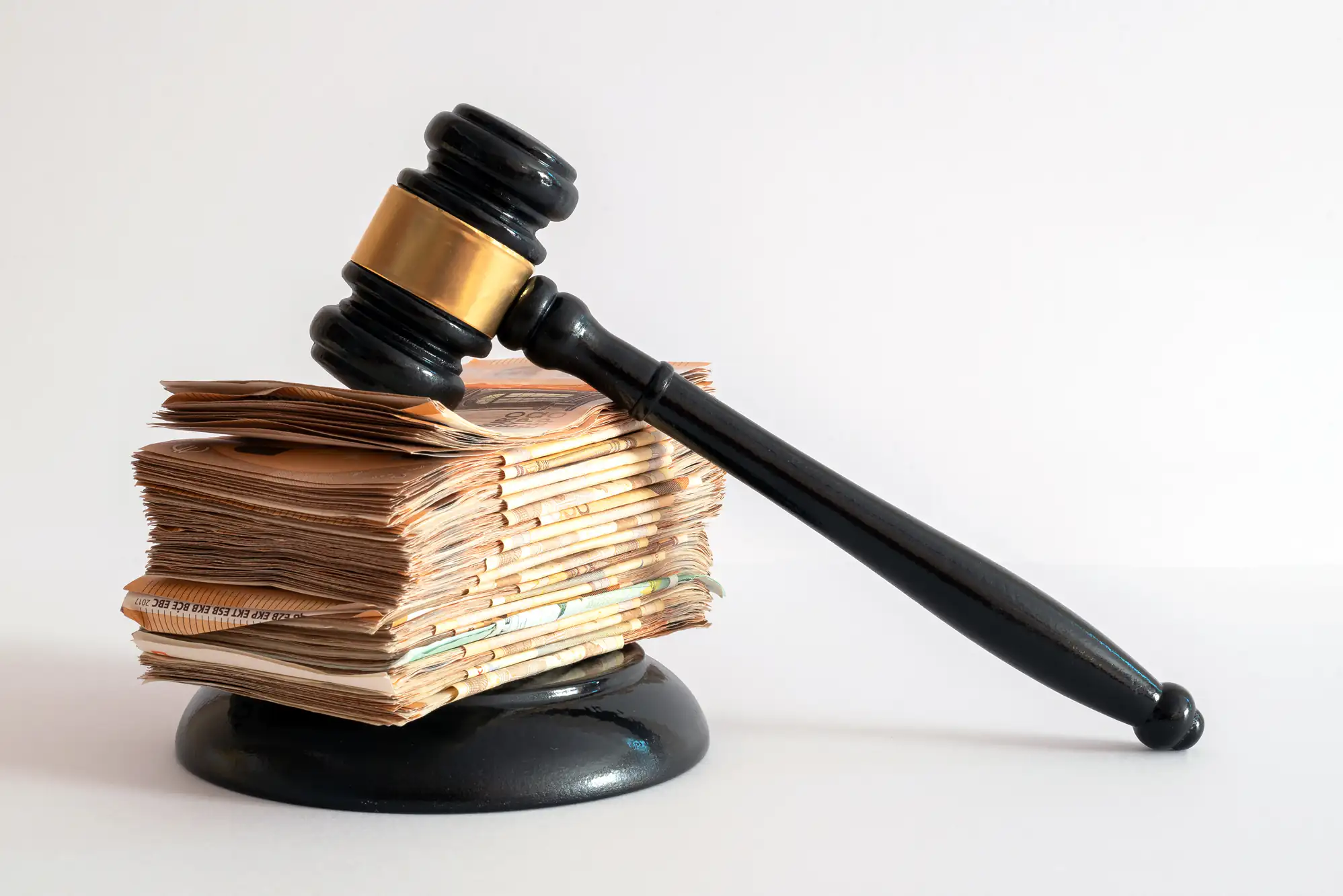
A judge's gavel rests on top of a large stack of paper currency, placed on a sound block, symbolizing the relationship between money and justice or legal decisions involving finances.

How a Mortgage Loan Modification Lawyer Helps

Here's What Actually Happens During Your Case

First, you come in for a free consultation. You bring whatever paperwork you have—mortgage statements, foreclosure notices, income documentation—and we review where you stand. No cost, no obligation.

If you decide to move forward, we file immediately to trigger the automatic stay. This legal protection stops all collection activity, including foreclosure proceedings, wage garnishments, and creditor lawsuits. You get breathing room, usually within 24-48 hours of filing.

Then we analyze your situation to determine the best strategy. Sometimes that’s negotiating a mortgage modification to reduce your monthly payment. Sometimes it’s a Chapter 13 bankruptcy that lets you catch up on missed payments over three to five years while keeping your home. Sometimes it’s challenging the foreclosure itself if the lender lacks proper documentation.

Throughout the process, we handle all communication with your lender. You don’t field calls or try to explain complex legal options you’re still learning about. We negotiate terms, submit required documentation, and push back when banks drag their feet or deny reasonable modification requests.

The timeline varies. Loan modifications can take several months as banks review financials and counteroffers go back and forth. Bankruptcy cases follow court schedules. Emergency foreclosure intervention happens fast—sometimes stopping a sale scheduled for the next week.

What doesn’t vary is the approach: aggressive protection of your rights, clear communication about realistic options, and strategic use of every legal tool available to keep you in your home or exit on the best possible terms.

Ready to get started?

Explore More Services

About Long Island Bankruptcy & Foreclosure | Law Firm

Get a Free Consultation

Mortgage Negotiation Attorney Bensonhurst, NY Services

The Legal Tools We Use to Protect Your Home

Foreclosure defense means examining every document the bank files to ensure they followed proper procedure. Banks make mistakes—lost paperwork, broken chain of title, improper notifications. When they do, you have grounds to challenge the foreclosure entirely.

Loan modifications involve negotiating new terms with your lender: lower interest rates, extended repayment periods, principal forbearance, or converting adjustable rates to fixed. The goal is a monthly payment that fits your actual income, not the income you had before a job loss or medical crisis.

Chapter 13 bankruptcy creates a court-approved repayment plan that lets you catch up on mortgage arrears over three to five years while making current payments. You keep your home, and the bank can’t foreclose as long as you follow the plan. Chapter 7 can eliminate other debts to free up money for your mortgage payment.

Mortgage negotiation also includes short sales and deed-in-lieu arrangements when keeping the home isn’t realistic. These options let you exit without a foreclosure on your record, which matters when you’re ready to rebuild and buy again.

In Bensonhurst specifically, where 33.4% of residents own their homes compared to NYC’s 32.5% average, homeownership represents significant financial and emotional investment. The neighborhood’s diverse population—39.5% Asian, 33.5% White, 19.6% Hispanic—means we regularly work with families navigating language barriers and cultural differences in how they approach debt and homeownership.

We also handle creditor harassment claims when collectors violate federal law, and we negotiate settlements on second mortgages or home equity lines of credit that complicate your primary mortgage situation.

A woman in a white blouse smiles while shaking hands with someone across a desk in a modern office, holding a document. A closed laptop and papers are on the desk.

How quickly can a mortgage attorney stop a foreclosure sale in Bensonhurst, NY?

If you’re days away from a scheduled foreclosure sale, filing bankruptcy triggers an automatic stay that stops the sale immediately—often within 24 hours. The court notifies your lender electronically, and the sale cannot proceed while the bankruptcy case is active.

This isn’t a permanent solution by itself. It’s a legal pause that gives you time to negotiate a modification, catch up on payments through a Chapter 13 plan, or explore other options. But when you’re facing an imminent sale date, that pause is everything.

The key is acting fast. If the sale is scheduled for next week, you need to contact a mortgage foreclosure attorney in Bensonhurst, NY today, not next week. The closer you are to the sale date, the less room there is for delays in gathering documents or making decisions.

Refinancing means taking out a new loan to pay off your existing mortgage, usually to get a better interest rate. You need good credit, stable income, and equity in your home. If you’re behind on payments or facing foreclosure, you won’t qualify for a refinance.

A mortgage modification changes the terms of your existing loan without replacing it. Your lender might reduce your interest rate, extend your loan term from 30 to 40 years, or defer some principal to the end of the loan. The goal is lowering your monthly payment to something you can afford based on your current financial situation.

Modifications are specifically designed for homeowners in financial distress. You don’t need perfect credit. You need to demonstrate hardship and show that you can afford the modified payment. We negotiate these terms with your lender, pushing for the most favorable changes possible while documenting why you qualify for relief.

Bankruptcy stays on your credit report for 7-10 years depending on the chapter you file. But foreclosure also stays on your report for seven years, and it’s often harder to recover from than bankruptcy.

Here’s what matters more than the timeline: what your credit looks like after. If you’re currently missing mortgage payments, in collections, facing lawsuits, and drowning in debt, your credit is already damaged. Bankruptcy stops the bleeding. It eliminates debts you can’t pay, stops creditor lawsuits, and gives you a clear path forward.

Many clients see their credit scores start recovering within 12-24 months after bankruptcy because they’re no longer carrying overwhelming debt and they’re making on-time payments again. If you save your home through Chapter 13 and complete your repayment plan, you’ve demonstrated five years of consistent payments—that rebuilds credit.

The question isn’t whether bankruptcy affects your credit. It’s whether losing your home, facing deficiency judgments, and continuing to miss payments affects it worse. Usually, the answer is yes.

You can try to negotiate directly with your lender, but understand what you’re up against. The person on the phone works for the bank, not for you. They’re trained to minimize the bank’s loss, not maximize your outcome. They might offer a modification that’s barely affordable, or they might string you along while the foreclosure process continues.

We know what terms are actually reasonable based on your income and expenses. We know what documentation the bank legally needs and what they’re asking for just to delay. We know when an offer is genuinely the best you’ll get and when there’s room to push back.

We also know the procedural requirements banks must follow in New York foreclosure cases. If they’ve cut corners or made errors, that’s leverage in negotiations. Most homeowners don’t know what to look for. We do, because we’ve handled hundreds of these cases.

The consultation is free. Come in, bring your paperwork, and let us review what you’re dealing with. Then you can decide whether handling it yourself or having legal representation makes more sense for your situation.

You keep it, as long as you follow the court-approved repayment plan. Chapter 13 is specifically designed to help homeowners catch up on mortgage arrears while protecting the home from foreclosure.

Here’s how it works: You continue making your regular monthly mortgage payment going forward. The past-due amount—the arrears that put you in foreclosure—gets added to a repayment plan spread over three to five years. The court approves the plan, and as long as you make those plan payments plus your regular mortgage payment, the bank cannot foreclose.

Let’s say you’re $15,000 behind on your mortgage. In a five-year Chapter 13 plan, that’s $250 per month plus your regular mortgage payment. If your mortgage is $2,000 monthly, you’d pay $2,250 total until you’re caught up. After that, you’re back to just the regular payment.

The plan also addresses other debts—credit cards, medical bills, personal loans. Many of those get discharged, which frees up money to stay current on your mortgage going forward. We structure the plan to be realistic based on your actual income, not wishful thinking.

The consultation is free. You come in, we review your situation, and we discuss options without any cost or obligation.

If you decide to move forward, fees depend on what your case requires. Chapter 7 bankruptcy typically costs less than Chapter 13 because it’s a shorter process. Foreclosure defense and loan modification cases vary based on complexity and how long negotiations take.

We offer payment plans because we understand you’re already in financial distress. You’re not expected to come up with thousands of dollars upfront when you’re behind on your mortgage. The goal is to make legal help accessible when you need it most.

In Chapter 13 cases specifically, attorney fees are often built into the repayment plan itself, which means they’re paid over time through your plan payments rather than all at once before filing. The bankruptcy court reviews and approves these fees to ensure they’re reasonable.

What you’re paying for is experience—30+ years handling foreclosure and bankruptcy cases in New York. You’re paying for immediate action that stops foreclosure sales and creditor harassment. And you’re paying for someone to negotiate with your lender from a position of legal knowledge rather than desperation. The cost of not having representation is usually much higher than the cost of hiring someone who knows what they’re doing.

Top