Mortgage Attorney in Cobble Hill, NY

Stop Foreclosure Before You Lose Your Home

Chapter 13 bankruptcy acts like an emergency brake on foreclosure—immediately. You get time to catch up on payments while keeping your house.
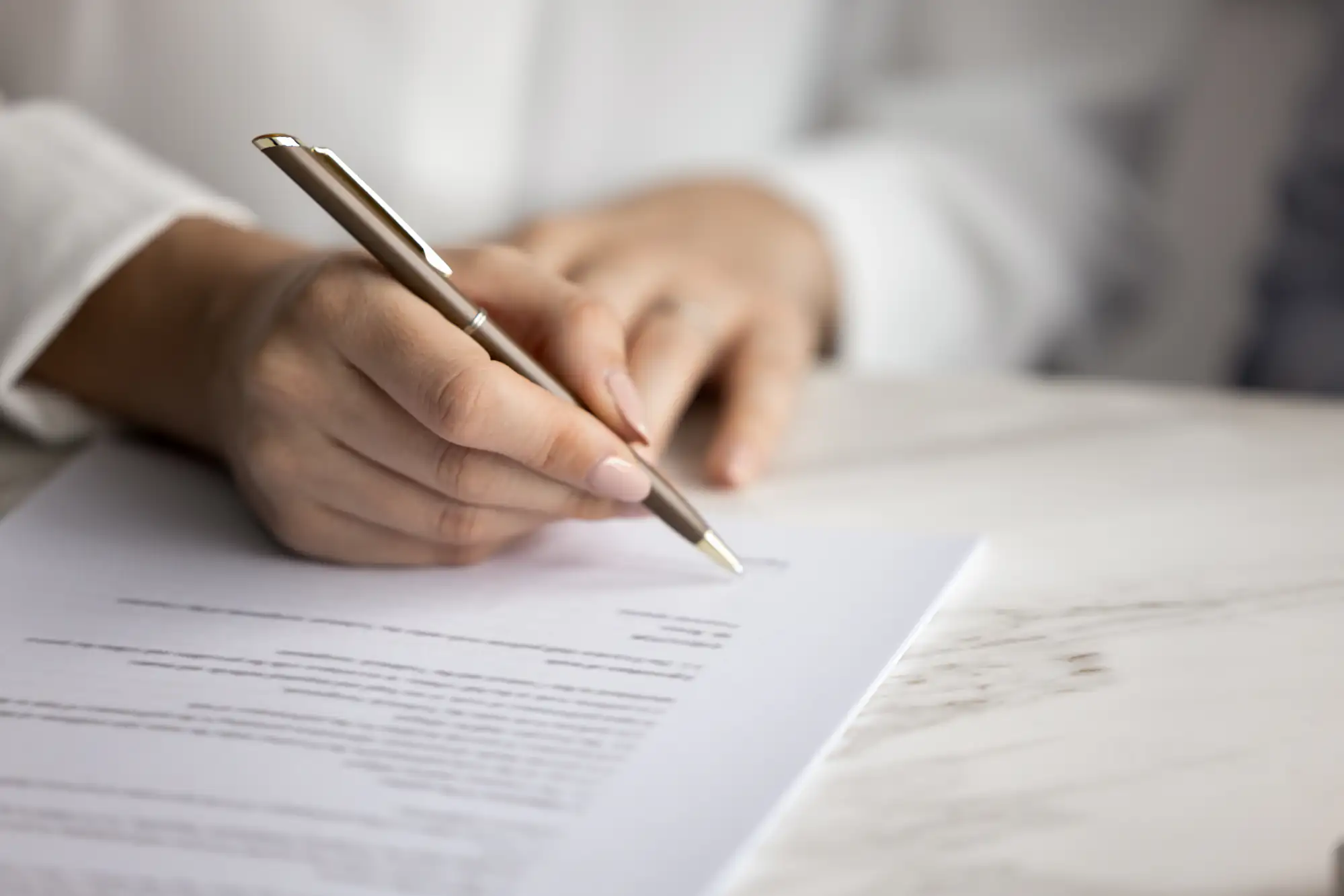
Close-up of a person’s hand holding a pen and signing a document on a white marble table, with the rest of the document and background softly out of focus.

Hear from Our Customers

Close-up of a bronze Lady Justice statue holding scales, with two stacked books and a person in a brown blazer blurred in the background, suggesting a legal or law office setting.

Mortgage Foreclosure Attorney Cobble Hill

Your Home Stays Yours While You Rebuild

The foreclosure notice sitting on your kitchen table doesn’t have to be the end. New York’s foreclosure laws give you more time and legal protections than most states, but only if you act before the process completes.

When you file Chapter 13 bankruptcy, the automatic stay kicks in immediately. That means the foreclosure stops—not slows down, stops. The lender can’t proceed with the sale while you’re under bankruptcy protection.

Here’s what actually happens: you get a court-approved payment plan that lets you catch up on missed mortgage payments over three to five years. Your regular mortgage payment continues, but the past-due amount gets spread out into manageable monthly installments. Meanwhile, other debts like credit cards and medical bills can be reduced or eliminated entirely, freeing up money for your mortgage.

Most homeowners in Cobble Hill, NY who use this approach keep their homes. The key is timing—the earlier you act, the more options you have.

Mortgage Lawyer Cobble Hill, NY

Three Decades Defending Brooklyn Homeowners

We’ve been handling foreclosure defense and bankruptcy cases since 1993. That’s over 30 years of sitting across from lenders, negotiating modifications, and filing emergency bankruptcies to stop foreclosure sales.

Ron clerked for a federal bankruptcy judge in the Southern District of New York before starting this practice. He knows how these cases move through the courts because he’s seen thousands of them. Our team includes attorneys admitted to practice in New York’s Eastern and Southern Districts—the federal courts where bankruptcy cases are actually decided.

Brooklyn homeowners, including those in Cobble Hill, NY, face unique challenges. Property values here have climbed significantly over the past decade, but so have property taxes and insurance costs. When you fall behind, the gap widens fast. We’ve worked with families in your neighborhood who thought they were out of options—and helped them stay in homes they’d lived in for years.

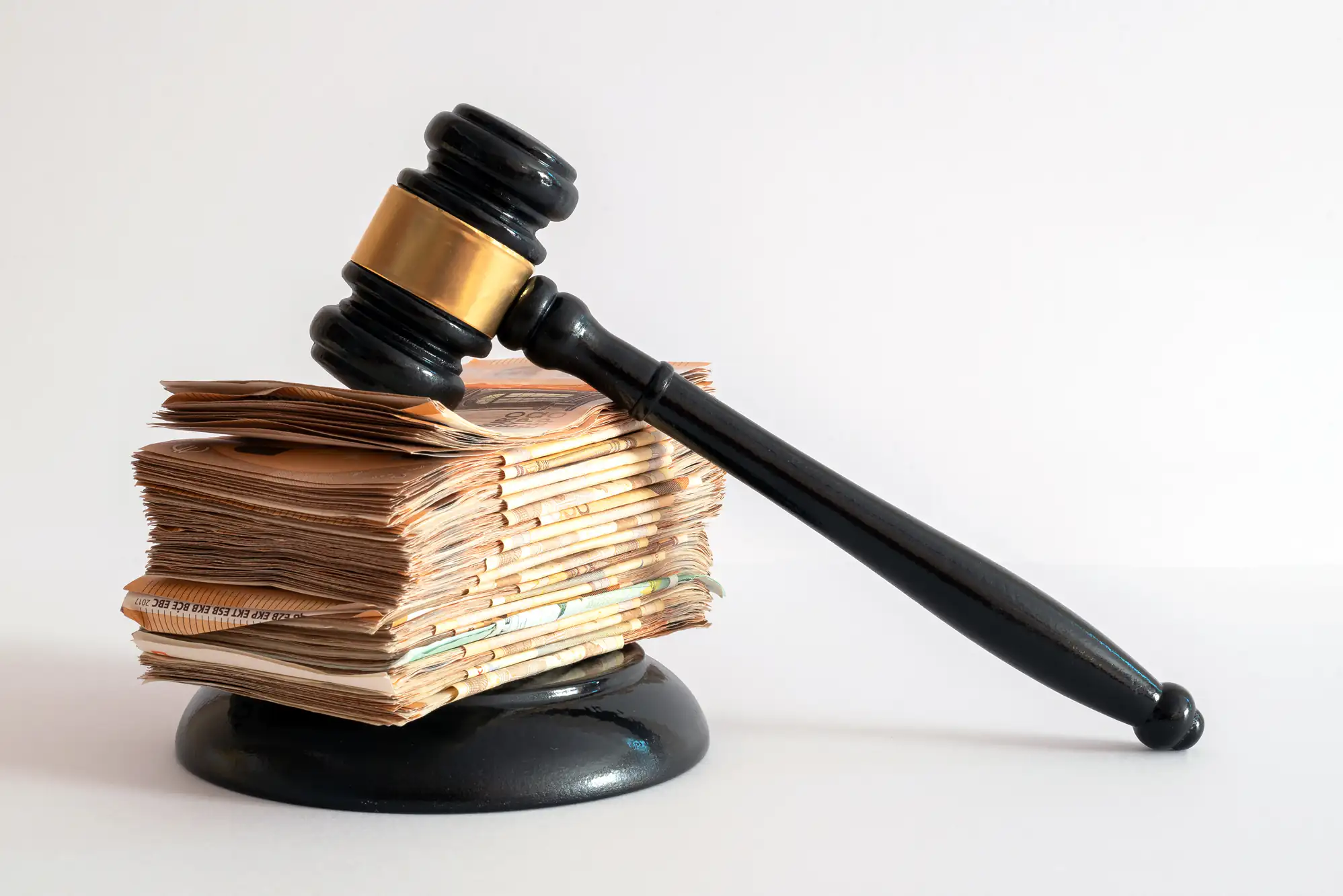
A judge's gavel rests on top of a large stack of paper currency, placed on a sound block, symbolizing the relationship between money and justice or legal decisions involving finances.

Mortgage Loan Modification Lawyer Process

What Happens When You Call Us

First, you come in for a free consultation. Not “free if you hire us”—actually free. You meet directly with an attorney, not an intake coordinator. You bring your foreclosure notice, mortgage statement, and recent pay stubs if you have them.

We review your entire financial situation in that first meeting. How far behind are you on the mortgage? What other debts are you carrying? What’s your monthly income? These numbers tell us whether Chapter 13 bankruptcy makes sense, or if a loan modification or other approach works better for your situation.

If bankruptcy is the right move, we can often file your case within days. The automatic stay goes into effect the moment the court receives your petition—even if it’s filed electronically at 11 p.m. on a Sunday night before a Monday foreclosure sale.

After filing, you’ll attend a mandatory meeting with the bankruptcy trustee, usually about 30 days later. We go with you. Then the court confirms your repayment plan, and you start making your monthly payments. The mortgage company has to accept the plan as long as you keep up with it.

Throughout the process, you have direct access to your legal team. Questions don’t go through a call center—they come to the attorneys handling your case.

Ready to get started?

Explore More Services

About Long Island Bankruptcy & Foreclosure | Law Firm

Get a Free Consultation

Mortgage Negotiation Attorney Cobble Hill

Multiple Tools to Save Your Home

Bankruptcy isn’t always the only answer. Sometimes a mortgage modification works better—especially if your income has dropped but stabilized, or if your loan has predatory terms that can be challenged.

New York law requires lenders to participate in mandatory settlement conferences during foreclosure. These conferences create opportunities to negotiate new loan terms: lower interest rates, extended repayment periods, or principal forbearance. A mortgage negotiation attorney in Cobble Hill, NY can push for terms that actually work with your budget.

Here’s the reality in 2025: foreclosure filings have surged nearly 20% nationally, and New York ranks in the top five states for foreclosure starts. Brooklyn has been hit particularly hard, with some ZIP codes seeing foreclosure rates that mirror the 2008 crisis. Lenders are overwhelmed, which means they’re often willing to modify loans rather than take back another property.

But here’s what makes this tricky—current mortgage rates are over 7%. If your existing rate is below 5%, accepting a modification at today’s rates could make your payment unaffordable. That’s where bankruptcy becomes more strategic: it lets you keep your current loan terms while catching up on arrears.

Every situation is different. The most effective approach often combines multiple legal tools rather than relying on one solution. We look at your specific circumstances and build a strategy around what actually protects your home.

A woman in a white blouse smiles while shaking hands with someone across a desk in a modern office, holding a document. A closed laptop and papers are on the desk.

How quickly can a mortgage attorney stop a foreclosure sale in Cobble Hill, NY?

If you’re facing an imminent foreclosure sale—meaning it’s scheduled within days or even hours—an emergency Chapter 13 bankruptcy filing can stop it immediately. The automatic stay goes into effect the moment your petition is filed with the court, even if that’s done electronically outside business hours.

We’ve filed emergency bankruptcies on Sunday evenings to stop Monday morning foreclosure sales. It’s not ideal to wait that long, but it’s possible when necessary. The key is having all your financial documentation ready so we can prepare the petition quickly.

That said, the earlier you reach out, the more options you have. If you contact a mortgage foreclosure attorney in Cobble Hill, NY weeks or months before the sale date, we can explore alternatives like loan modifications or settlement conference negotiations that might resolve the situation without bankruptcy. But when time is short, bankruptcy is the most reliable tool to immediately halt the foreclosure process.

Chapter 7 bankruptcy eliminates most unsecured debts like credit cards and medical bills, which can free up money for your mortgage payment. But it doesn’t stop foreclosure permanently—it only pauses it temporarily while the bankruptcy is active, usually three to four months. If you’re behind on mortgage payments, Chapter 7 doesn’t give you a way to catch up on those arrears.

Chapter 13 bankruptcy, on the other hand, creates a court-approved repayment plan lasting three to five years. This plan lets you catch up on missed mortgage payments over time while keeping your home. You continue making your regular monthly mortgage payment, plus an additional amount each month that goes toward the past-due balance. As long as you stick to the plan, the lender can’t foreclose.

For homeowners in Cobble Hill, NY who want to keep their house and have fallen behind on payments, Chapter 13 is almost always the better option. Chapter 7 works if you’re current on the mortgage and just need to eliminate other debts to afford your payment going forward. We can review your specific situation and tell you which chapter makes sense for your goals.

Legal fees for foreclosure defense and bankruptcy vary based on the complexity of your case, but transparency matters. Before you commit to anything, you should receive a written fee agreement that discloses every cost—no hidden charges that pop up later.

For Chapter 13 bankruptcy cases, attorney fees are typically paid through your repayment plan rather than all upfront. You pay a portion to get the case filed, and the rest gets built into your monthly plan payments. This structure makes it more accessible when you’re already financially stretched.

Loan modification negotiations and foreclosure defense work outside of bankruptcy usually involve either a flat fee or an hourly rate, depending on how much negotiation and court work is required. New York’s mandatory settlement conferences can sometimes resolve foreclosure cases relatively quickly, which keeps costs down.

The consultation is genuinely free—not “credited toward your fee if you hire us.” You come in, talk through your situation with an attorney, and get clear information about what your options cost. Most clients find that the cost of legal help is far less than the cost of losing their home or accepting a bad modification that makes their payment unaffordable.

Yes, a drop in income is actually one of the most common reasons lenders approve modifications. If you can show that your financial situation has changed—job loss, reduced hours, medical issues, divorce—but that you now have stable income at the lower level, lenders are often willing to adjust your loan terms.

The challenge is proving that your current income is reliable and that the modified payment will be affordable long-term. Lenders want to see recent pay stubs, tax returns, and a detailed budget showing your monthly expenses. We can help you put together a strong application that demonstrates your ability to make the new payment.

Here’s where it gets tricky in 2025: interest rates are high right now. If your existing mortgage has a rate below 5%, but the lender offers a modification at 7% or higher, your monthly payment could actually increase even if they extend the loan term. That’s why it’s critical to run the numbers before accepting any modification offer.

Sometimes combining a modification with bankruptcy makes more sense. Bankruptcy can eliminate other debts, freeing up income to afford your current mortgage payment—or a modified one with better terms. The right strategy depends on your complete financial picture, not just the mortgage in isolation.

New York requires lenders to participate in settlement conferences once a foreclosure case is filed. These conferences are meetings between you, your attorney, the lender’s attorney, and a court-appointed referee. The goal is to explore whether the foreclosure can be resolved without going to trial—usually through a loan modification, repayment plan, or short sale.

The lender is required to participate in good faith, which means they have to seriously consider modification options if you’re eligible. Many foreclosure cases in New York are resolved during these conferences rather than proceeding to judgment and sale.

You don’t attend these conferences alone. We go with you and handle the negotiations. The lender’s representative has to come prepared with authority to discuss specific modification terms, not just stall for time.

These conferences can take months and may involve multiple sessions. That timeline works in your favor—it gives you more time in your home and more opportunities to improve your financial situation or explore other options like bankruptcy. But you need legal representation to make the most of these conferences. Lenders have attorneys at every settlement conference, and you should too.

No. Bankruptcy does impact your credit score initially—there’s no way around that. A Chapter 13 bankruptcy stays on your credit report for seven years from the filing date. But “stays on your report” doesn’t mean “ruins your credit for seven years.”

Most clients see measurable credit improvement within 12 months of filing. Once you’re in an active Chapter 13 plan, you’re no longer missing payments or accumulating new debt. That positive payment history starts rebuilding your credit fairly quickly. Many clients get approved for credit cards, auto loans, and even mortgages within a few years of filing—sometimes while still in their Chapter 13 plan.

Compare that to the alternative: continuing to miss mortgage payments, going through foreclosure, and potentially facing a deficiency judgment if the house sells for less than you owe. Foreclosure stays on your credit report for seven years too, and it’s often harder to recover from than bankruptcy because it doesn’t give you the structured fresh start that bankruptcy provides.

The bigger question isn’t whether bankruptcy affects your credit—it’s whether losing your home affects your life. If you’re facing foreclosure in Cobble Hill, NY, bankruptcy might be the tool that keeps you housed while giving you a realistic path to financial stability. Your credit score will recover. Losing your home is harder to come back from.

Top