Mortgage Attorney in North Wantagh, NY

Stop Foreclosure Before You Lose Your Home

When your mortgage payment becomes impossible, you need a mortgage attorney in North Wantagh who can negotiate with lenders, file the right paperwork, and buy you time.
Close-up of a person’s hand holding a pen and signing a document on a white marble table, with the rest of the document and background softly out of focus.

Hear from Our Customers

Close-up of a bronze Lady Justice statue holding scales, with two stacked books and a person in a brown blazer blurred in the background, suggesting a legal or law office setting.

Foreclosure Defense in North Wantagh

Keep Your House While We Handle the Lender

You’re not looking for a lawyer who talks in circles. You need someone who can stop the foreclosure process, get your lender to the table, and create a payment plan that actually works with your income.

That’s what we do as your mortgage foreclosure attorney. We file the bankruptcy petition that triggers an automatic stay, halting all collection activity immediately. We negotiate loan modifications that reduce your monthly payment or extend your loan term. We represent you at settlement conferences where lenders are required to discuss alternatives to foreclosure.

In Nassau County, where the median home value exceeds $766,000 and foreclosure filings jumped 16% in 2024, you’re dealing with aggressive lenders and tight deadlines. New York law gives you a very short window to file your answer to a foreclosure complaint. Miss it, and you waive critical defenses. That’s not a scare tactic—it’s how the process works.

Mortgage Lawyer North Wantagh, NY

38 Years Defending Homeowners Across Nassau County

Ronald D. Weiss graduated from NYU School of Law in 1988, received the Galgay Fellowship in Bankruptcy and Reorganization Law, and clerked for Bankruptcy Judge Prudence B. Abrams. Since founding our firm in 1993, he’s represented homeowners throughout Suffolk and Nassau Counties in Chapter 7, 11, and 13 bankruptcy cases, foreclosure defense litigation, and mortgage loan modifications.

We’ve been handling cases in North Wantagh and across Long Island for over three decades. We know the local courts, the lenders operating in Nassau County, and the settlement conference process that New York law requires before a foreclosure can proceed.

Our clients give us a 4.9-star rating across 317 reviews. One homeowner told us we stopped their property sale in just three visits. That’s not luck—it’s knowing which legal tools to use and when.

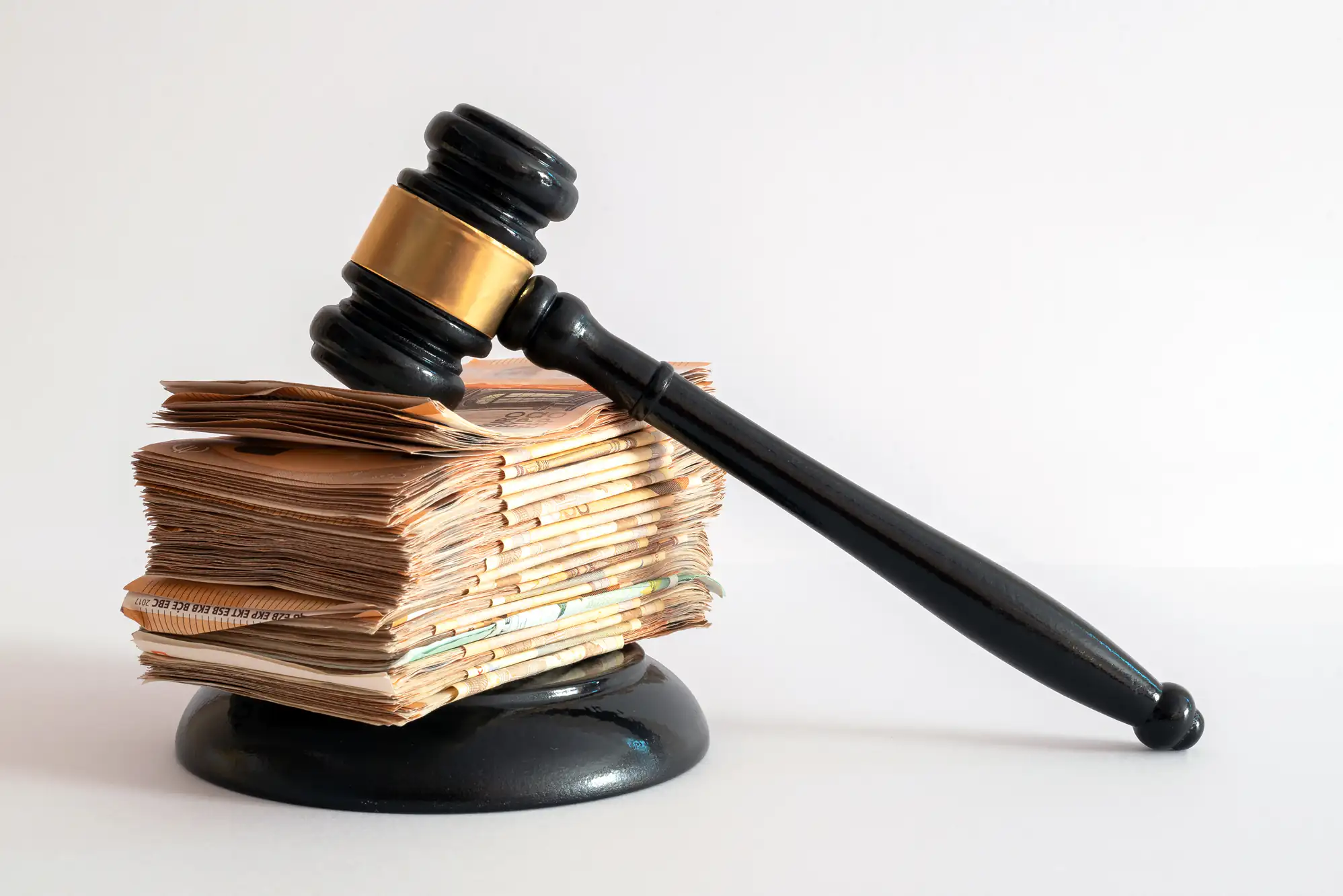
A judge's gavel rests on top of a large stack of paper currency, placed on a sound block, symbolizing the relationship between money and justice or legal decisions involving finances.

Mortgage Modification Attorney North Wantagh

Here's What Happens When You Hire Us

First, we meet for a free consultation. You bring your mortgage statements, foreclosure notices, and income documentation. We review your situation and explain your options: loan modification, Chapter 13 bankruptcy, or foreclosure defense litigation.

If we file bankruptcy, the automatic stay goes into effect immediately. That means your lender must stop all foreclosure proceedings, wage garnishments, and collection calls. It’s federal law, and it happens the moment we file.

Next, we negotiate with your lender. New York requires settlement conferences in foreclosure cases, and we represent you at those meetings. We push for loan modifications that lower your interest rate, reduce your principal balance, or extend your repayment term. Our goal is a monthly payment you can actually afford based on your current income.

If modification isn’t possible, we explore Chapter 13 bankruptcy. This lets you catch up on missed payments over three to five years while keeping your home. You make one monthly payment to the bankruptcy trustee, who distributes it to your creditors according to a court-approved plan.

Throughout the process, we handle all communication with your lender. You don’t field their calls or respond to their letters. We do.

Ready to get started?

Explore More Services

About Long Island Bankruptcy & Foreclosure | Law Firm

Get a Free Consultation

Loan Modification Lawyer North Wantagh

What You Get When We Take Your Case

We handle every aspect of your mortgage defense. That includes drafting and filing your answer to the foreclosure complaint, raising all affirmative defenses, and representing you at settlement conferences. We negotiate directly with your lender’s attorneys to secure loan modifications or repayment plans.

If bankruptcy makes sense for your situation, we prepare and file your Chapter 13 petition, attend the 341 meeting of creditors, and handle objections from the trustee or creditors. We create a repayment plan that fits your budget and protects your home from foreclosure.

In North Wantagh, where home prices averaged $900,000 in recent sales, you’re likely dealing with a substantial mortgage. New York’s foreclosure timeline averages 1,910 days from first missed payment to completed sale—one of the longest in the country. That gives us significant time to work, but only if you act before critical deadlines pass.

Nassau County saw over 12,000 foreclosure filings in a single year during the last housing crisis. Lenders here are experienced and aggressive. You need a mortgage negotiation attorney who knows their tactics and can counter them effectively.

A woman in a white blouse smiles while shaking hands with someone across a desk in a modern office, holding a document. A closed laptop and papers are on the desk.

How quickly can a mortgage attorney stop foreclosure in North Wantagh?

If we file Chapter 13 bankruptcy, the automatic stay stops foreclosure immediately—usually within 24 hours of filing. The moment your case is filed with the bankruptcy court, federal law prohibits your lender from continuing any collection activity, including foreclosure sales, wage garnishments, or even phone calls.

This automatic stay remains in effect throughout your bankruptcy case, which typically lasts three to five years. During that time, you make payments according to your court-approved repayment plan, and your lender cannot foreclose as long as you stay current with those payments.

If bankruptcy isn’t the right option, we can still buy you time by filing an answer to your foreclosure complaint and requesting a settlement conference. New York law requires lenders to participate in these conferences before proceeding with foreclosure. That process alone can add months to your timeline, giving us room to negotiate a loan modification or repayment agreement.

A loan modification changes the terms of your existing mortgage—usually your interest rate, monthly payment, or loan length. Your lender agrees to modify the contract to make it more affordable. You’re not filing for bankruptcy, and it doesn’t appear on your credit report the same way bankruptcy does.

Bankruptcy, specifically Chapter 13, is a legal process where you propose a repayment plan to catch up on missed mortgage payments over three to five years. You continue making your regular mortgage payment going forward, plus an additional amount each month to cover the arrears. The bankruptcy court approves your plan, and as long as you stick to it, your lender cannot foreclose.

We pursue loan modifications first in most cases. If your lender refuses to negotiate or offers terms you can’t afford, Chapter 13 becomes the better option. Sometimes we use both: file bankruptcy to stop an imminent foreclosure sale, then negotiate a modification while the automatic stay protects you.

The right choice depends on how far behind you are, your current income, and whether you have other debts beyond your mortgage. That’s what we figure out in your consultation.

We offer free initial consultations. That meeting costs you nothing, and it gives us a chance to review your situation and explain your options.

If you hire us for foreclosure defense or loan modification work, we typically charge a flat fee or work out a payment plan. The exact cost depends on the complexity of your case—how far into foreclosure you are, whether we’re filing bankruptcy, and how much negotiation your lender requires.

Chapter 13 bankruptcy fees are regulated by the bankruptcy court and are often paid through your repayment plan, meaning you don’t need thousands of dollars upfront. You pay a filing fee to the court and attorney fees over time as part of your monthly plan payment.

For comparison, experienced foreclosure attorneys in Nassau County typically charge between $300 and $500 per hour for litigation work. Our flat-fee structure eliminates surprise bills and lets you budget for the legal help you need. We discuss all costs upfront during your consultation—no hidden fees, no surprises later.

Yes, but you need to act before the foreclosure sale happens. Once your home is sold at auction, your options disappear. Before that point, you have several ways to keep your house even if you’re months behind.

Chapter 13 bankruptcy lets you catch up on missed payments over three to five years while keeping your home. You propose a repayment plan to the bankruptcy court, and if it’s approved, your lender must accept it. You continue making your regular mortgage payment going forward, plus an additional amount each month to cover the arrears.

Loan modifications can also help. If your lender agrees to modify your loan, they might add your missed payments to the end of your loan term, reduce your interest rate, or lower your principal balance. The goal is creating a monthly payment you can afford based on your current income.

New York’s settlement conference requirement gives you another opportunity. Before your lender can complete the foreclosure, they must meet with you (and your attorney) to discuss alternatives. We use these conferences to push for modifications or repayment plans. The key is having legal representation who knows how to negotiate effectively and what terms are realistic for your financial situation.

New York law requires your lender to participate in a settlement conference before they can foreclose on your home. This is a meeting with you, your attorney, your lender’s attorney, and sometimes a court-appointed referee. The purpose is to explore alternatives to foreclosure—specifically loan modifications and repayment plans.

At the conference, we present your financial information: your income, expenses, and what you can realistically afford to pay each month. Your lender reviews this information and decides whether to offer a modification. If they refuse or offer terms that don’t work, we can request additional conferences or proceed to foreclosure defense litigation.

These conferences can take months and often involve multiple sessions. That’s time we use to your advantage—negotiating better terms, gathering documentation, and keeping your home out of foreclosure sale. Lenders know that foreclosure is expensive for them too, so they’re often willing to negotiate if the numbers make sense.

Having an attorney at these conferences matters. Lenders come with experienced lawyers who know the process inside and out. You need someone on your side who can counter their arguments, present your case effectively, and push for terms that actually help you keep your home.

New York has one of the longest foreclosure timelines in the country—averaging 1,910 days from your first missed payment to completed foreclosure sale. That’s over five years. Nassau County follows this same extended timeline, which gives us significant time to work on your case.

The process starts when you miss payments and your lender sends a notice of default. After 120 days of missed payments, they can file a foreclosure complaint with the court. You have a short window—usually 20 to 30 days—to file an answer. If you don’t respond, the lender can request a default judgment and move toward sale much faster.

If you file an answer, the case enters the settlement conference phase. These conferences can last months, sometimes over a year, depending on how negotiations progress. If settlement fails, the case moves to foreclosure litigation, which adds more time.

Throughout this process, we use every available delay and legal tool to protect your home. We file motions, request conferences, negotiate modifications, and if necessary, file bankruptcy to trigger the automatic stay. The goal is either reaching an agreement that lets you keep your house or buying you enough time to explore other options like selling the property yourself instead of losing it at auction.

Top