Mortgage Attorney in Suffolk County, NY

Stop Foreclosure and Keep Your Home

You’re not behind because you’re irresponsible. Property taxes in Suffolk County average over $11,000 a year, and mortgage payments keep climbing while your income hasn’t.
Close-up of a person’s hand holding a pen and signing a document on a white marble table, with the rest of the document and background softly out of focus.

Hear from Our Customers

Close-up of a bronze Lady Justice statue holding scales, with two stacked books and a person in a brown blazer blurred in the background, suggesting a legal or law office setting.

Mortgage Foreclosure Attorney Suffolk County

What Happens When You Actually Get Help

The foreclosure notice stops feeling like a countdown. Creditor calls end the day we file. Your mortgage gets restructured into something you can actually afford, or we negotiate a modification that drops your payment to match what you’re bringing in.

Suffolk County had 933 foreclosure filings last year, making it the most active foreclosure market in the metro. That’s 15% of all metro foreclosures happening right here. You’re not alone in this, and you’re not out of options.

Most clients who work with us see their credit start rebuilding within 12 months. Some get approved for car loans or credit cards within two years. The key is stopping the bleeding now and creating a plan that actually fits your financial reality, not the one your lender wishes you had.

Suffolk County Mortgage Lawyer Experience

30 Years Handling Long Island Foreclosures

Ronald D. Weiss has been practicing bankruptcy and foreclosure defense since 1993. He graduated from NYU School of Law in 1988 as the recipient of the Galgay Fellowship in Bankruptcy and Reorganization Law, then clerked for a federal bankruptcy judge before opening his practice.

We’ve been working with Suffolk County and Nassau County homeowners for nearly three decades. We know the local courts, the judges, the common property issues, and exactly how lenders operate in this market. Our main office sits on Route 110 in Melville, right at the Nassau-Suffolk border.

When you call, you talk to an attorney, not an intake specialist. Your consultation is free, and if we move forward with a Chapter 13 case, the attorney fees get built into your court-approved repayment plan. Zero out of pocket to start.

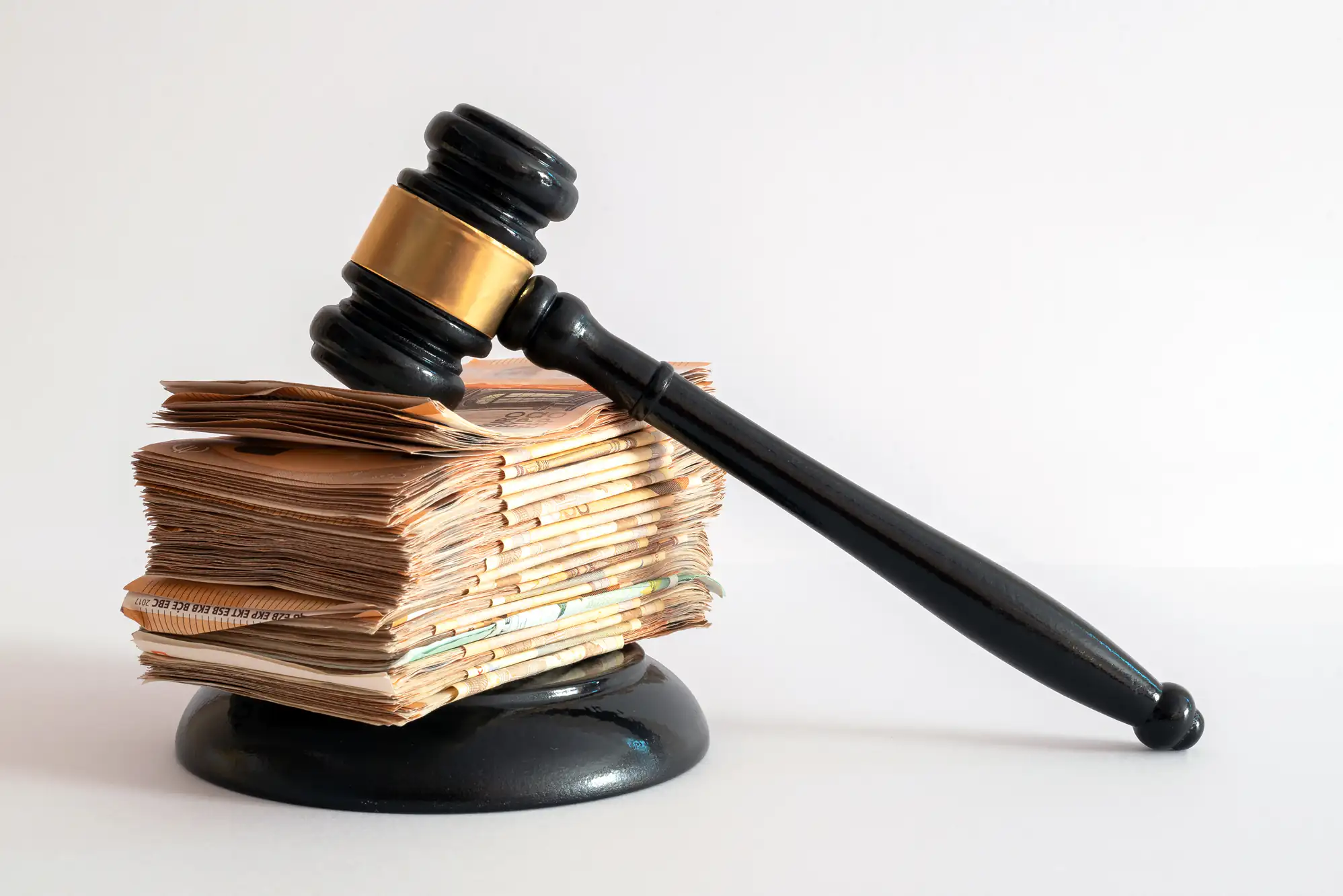
A judge's gavel rests on top of a large stack of paper currency, placed on a sound block, symbolizing the relationship between money and justice or legal decisions involving finances.

Mortgage Modification Attorney Process Suffolk County

Here's What Actually Happens Step by Step

First, we meet. You bring your mortgage statements, foreclosure notices, tax bills, and income documentation. We review everything and figure out whether a loan modification, Chapter 13 bankruptcy, or foreclosure defense litigation makes the most sense for your situation.

If bankruptcy is the right move, we file immediately. That triggers an automatic stay, which legally stops all collection activity, foreclosure proceedings, and creditor harassment. Your lender can’t move forward while we negotiate.

Then we either work on a mortgage modification to reduce your interest rate and monthly payment, or we structure a Chapter 13 repayment plan that lets you catch up on missed payments over three to five years while keeping your home. If your lender won’t negotiate fairly, we defend you in foreclosure court. New York’s foreclosure process takes 3-4 years on average, the longest in the nation, which gives us significant leverage to fight for better terms.

Ready to get started?

Explore More Services

About Long Island Bankruptcy & Foreclosure | Law Firm

Get a Free Consultation

Mortgage Loan Modification Lawyer Suffolk County

What You Get When You Hire Us

We handle Chapter 7, Chapter 11, and Chapter 13 bankruptcy cases, foreclosure defense litigation, mortgage loan modifications, and general debt negotiation. You get direct access to your attorney throughout the case, not a paralegal or assistant. We return calls and emails promptly, explain every step in plain language, and give you a written fee agreement that discloses every cost before you commit.

Suffolk County’s median home price hit $635,500 last year, up 66% since 2012. Property values are astronomical, which makes losing your home especially devastating. We’ve seen clients who are upside down on their mortgages, meaning they owe more than the house is worth, and can’t refinance because lenders have scaled back loan types and amounts.

We also handle the unique property tax issues Long Island homeowners face. The assessment formula here is complicated, and most homeowners don’t understand how to challenge their tax bills. If your property taxes are pushing your mortgage payment out of reach, we can explore whether a tax grievance or bankruptcy protection makes sense as part of your overall strategy.

A woman in a white blouse smiles while shaking hands with someone across a desk in a modern office, holding a document. A closed laptop and papers are on the desk.

How does a mortgage attorney help me avoid foreclosure in Suffolk County?

A mortgage foreclosure attorney in Suffolk County stops the foreclosure process by filing bankruptcy or negotiating directly with your lender. Once we file a Chapter 13 case, federal law requires your lender to halt all foreclosure activity immediately. That’s called an automatic stay, and it gives us time to restructure your debt.

From there, we either negotiate a loan modification that lowers your interest rate and monthly payment, or we create a repayment plan that lets you catch up on missed payments over three to five years. If your lender refuses to work with us, we defend you in foreclosure court. New York’s judicial foreclosure process is slow, taking 3-4 years on average, which gives us significant leverage to push for better terms.

The goal is to keep you in your home with a payment you can actually afford. If that’s not possible, we help you explore alternatives like a short sale or deed in lieu of foreclosure, which are less damaging to your credit than a completed foreclosure.

A mortgage loan modification changes the terms of your existing loan. Your lender might lower your interest rate, extend the repayment period, or add your missed payments to the end of the loan. The goal is to reduce your monthly payment to something you can afford. You negotiate directly with the lender, and if they agree, you sign a new loan agreement.

Chapter 13 bankruptcy is a federal legal process that restructures all your debts, not just your mortgage. You propose a repayment plan to the court that lets you catch up on missed mortgage payments over three to five years while keeping your home. Your other unsecured debts like credit cards and medical bills often get reduced or eliminated entirely.

The advantage of Chapter 13 is that it stops foreclosure immediately and gives you more control. Your lender has to accept the repayment plan as long as the court approves it. A modification, on the other hand, requires your lender’s cooperation, and they can refuse. Many Suffolk County homeowners combine both strategies: we file Chapter 13 to stop foreclosure, then negotiate a modification while the bankruptcy is active.

We use flat-fee pricing with flexible payment plans, and for Chapter 13 cases, attorney fees are built into your court-approved repayment plan. That means zero out of pocket to start. The court approves our fees as part of your overall debt restructuring, and you pay them off over the life of your plan, usually three to five years.

For mortgage modifications and foreclosure defense outside of bankruptcy, we give you a written fee agreement upfront that discloses every cost before you commit. No hidden charges, no surprises. We’ve operated this way for 38 years because people who need mortgage attorneys can’t afford to be overcharged.

Your consultation is free. You meet directly with an experienced attorney, we review your situation, and we tell you exactly what your options are and what each one costs. If you decide to move forward, we start immediately. If you don’t, you walk away with a clear understanding of where you stand, no strings attached.

Yes, if you file Chapter 13 bankruptcy. Chapter 13 is specifically designed to help homeowners catch up on missed mortgage payments while keeping their home. You propose a repayment plan to the court that spreads your missed payments over three to five years, and as long as you stay current on your regular monthly mortgage payment going forward, your lender can’t foreclose.

Chapter 7 bankruptcy is different. It eliminates most of your unsecured debt like credit cards and medical bills, but it doesn’t give you a way to catch up on missed mortgage payments. If you’re behind on your mortgage and file Chapter 7, you’ll likely lose your home unless you can get current quickly.

Most Suffolk County homeowners facing foreclosure benefit more from Chapter 13 because it stops the foreclosure, gives them time to catch up, and often reduces their other debts enough that they can afford their mortgage payment going forward. We analyze your income, expenses, and total debt load during your consultation and recommend the option that makes the most sense for your situation.

Property taxes in Suffolk County average $11,232 per year, and they’re often the reason homeowners fall behind on their mortgage in the first place. If your property taxes are included in your mortgage payment through an escrow account, they’re part of your total housing payment, and Chapter 13 lets you catch up on the full amount over time.

If you pay property taxes separately and you’re behind, those arrears get included in your Chapter 13 repayment plan. You’ll pay them off over three to five years while the county can’t take collection action against you. Going forward, you’ll need to stay current on new property tax bills as they come due.

Chapter 7 doesn’t help with property tax arrears the same way. It might eliminate other debts and free up cash flow so you can afford to pay your property taxes, but it doesn’t give you a structured repayment plan for past-due amounts. If property taxes are a major part of your financial stress, Chapter 13 is usually the better option because it addresses the arrears directly and gives you time to catch up.

New York has a judicial foreclosure process, which means your lender has to sue you in court and get a judge’s approval before they can sell your home. That process takes 3-4 years on average in New York, tied with New Jersey for the longest in the nation. Suffolk County follows that timeline, sometimes longer depending on court backlogs.

The process starts when your lender files a foreclosure complaint. You have 20-30 days to respond. If you hire an attorney, we file an answer and raise defenses, which can delay the case significantly. Then comes discovery, settlement conferences, and eventually a foreclosure judgment if the lender wins.

Even after the judgment, there’s a mandatory settlement conference, and then the property goes to auction. From start to finish, you’re looking at multiple years in most cases. That gives us significant time to negotiate a modification, file bankruptcy, or fight the foreclosure on legal grounds. The key is acting early. The sooner you hire a mortgage negotiation attorney, the more options you have and the more leverage we can use to keep you in your home.

Other Services we provide in Suffolk County

Top