Bankruptcy Attorney in Nassau County, NY

Stop Foreclosure and Creditor Calls This Week

You get immediate protection from harassment, a clear path to eliminate debt, and real options to save your home in Nassau County.
Two people shaking hands in a professional setting, with one smiling person in focus in the background. The image conveys agreement or a successful business interaction.

Hear from Our Customers

A smiling man and woman in athletic wear walk together outside on a sunny day, with green trees and grass in the background. The woman holds a water bottle, and they appear relaxed and happy.

Bankruptcy Lawyer Nassau County

What Happens When You File Bankruptcy

The collection calls stop. The foreclosure process halts. The wage garnishments end. That’s what happens within 24 hours of filing bankruptcy in Nassau County—you get what’s called an automatic stay, and it’s exactly what it sounds like. Everything freezes while you catch your breath.

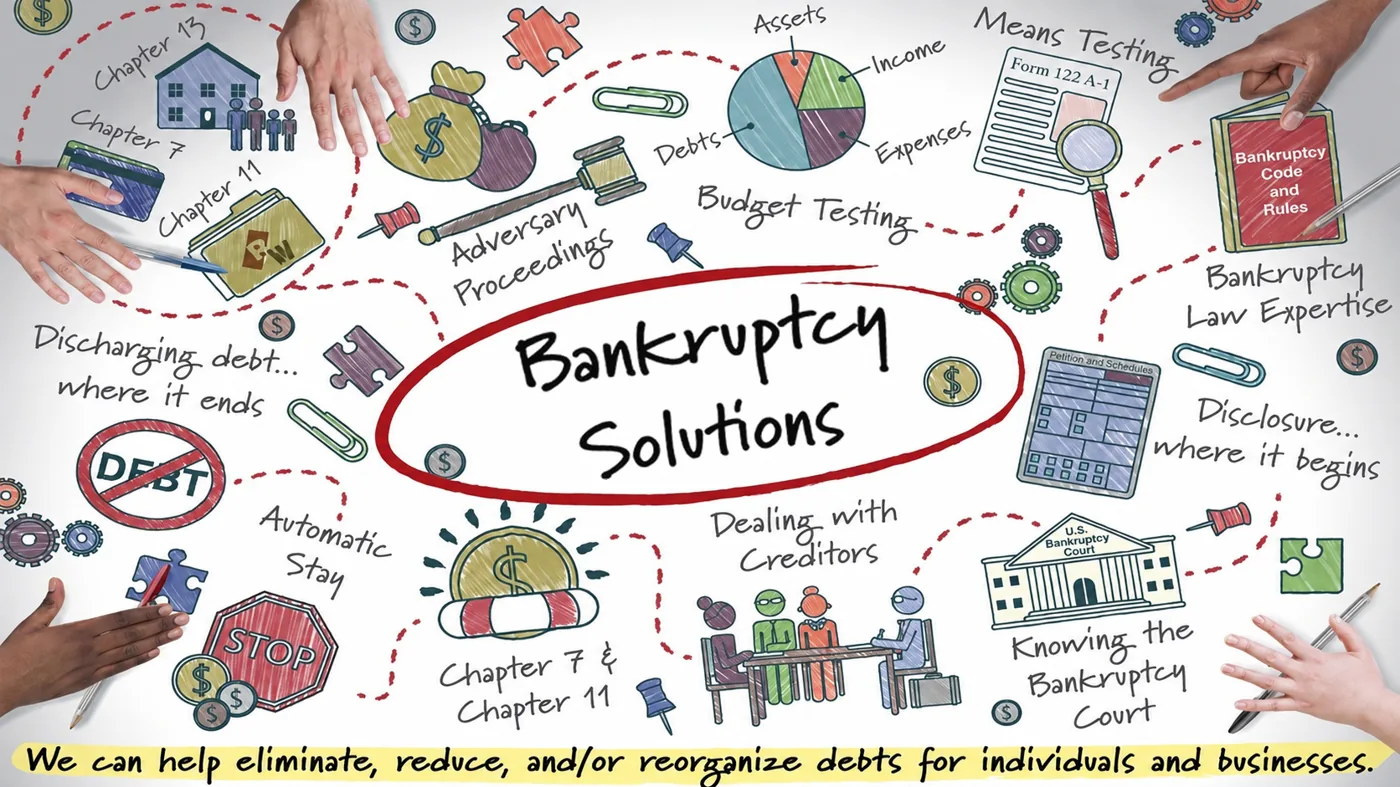
You’re not just buying time. You’re getting a legal shield that forces creditors to back off while you work out a real solution. If you’re behind on your mortgage, Chapter 13 bankruptcy lets you catch up over three to five years without losing your house. If you’re buried in credit card debt or medical bills, Chapter 7 wipes most of it out in three to four months.

This isn’t about running from your problems. It’s about facing them with a plan that actually works. Long Island’s cost of living doesn’t leave much room for error, and when something goes wrong—job loss, medical emergency, divorce—it can spiral fast. Bankruptcy gives you the legal tools to stop that spiral and rebuild on solid ground.

Nassau County Bankruptcy Law Firm

We Handle Bankruptcy Cases in Central Islip

We file bankruptcy cases with the Eastern District of New York Bankruptcy Court in Central Islip. That’s the federal court that handles all Nassau and Suffolk County bankruptcy filings. We know the court, the trustees, and the process inside out because we do this every day.

We’re designated as Federal Debt Relief Agents by Act of Congress, which means we’re authorized to help you navigate federal bankruptcy law. Our firm focuses exclusively on bankruptcy, foreclosure defense, and debt negotiation across Long Island. We have multiple office locations throughout Nassau County because we want you to meet with us where it’s convenient for you, not the other way around.

Nassau County has 534 bankruptcy lawyers. What makes us different is that we don’t treat your case like a transaction. You’re dealing with foreclosure threats, creditor harassment, and the stress of not knowing how you’ll make it through next month. We get that, and we handle your case with that reality in mind.

bankruptcy lawyer broward fl 83rys2

How to File Bankruptcy in Nassau County

The Process From Consultation to Discharge

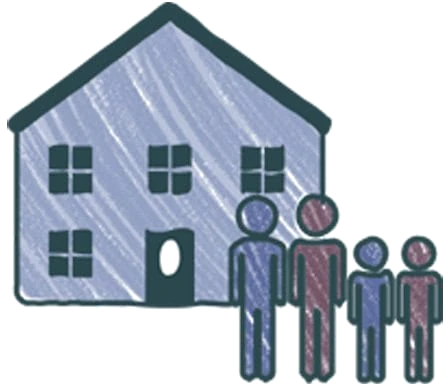
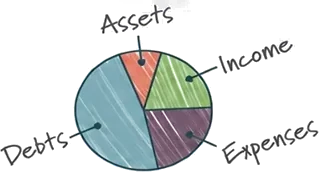
You start with a consultation where we look at your income, debts, assets, and what you’re trying to protect. Most people want to know two things: can I keep my house, and how fast can I stop the creditors? We answer both in that first meeting.

If bankruptcy makes sense, we determine whether Chapter 7 or Chapter 13 fits your situation better. Chapter 7 eliminates most unsecured debt—credit cards, medical bills, personal loans—and takes about three to four months. Chapter 13 is a repayment plan that stops foreclosure and lets you catch up on missed mortgage payments over three to five years while keeping your home. The choice depends on your income and what you need to protect.

Once we file your petition with the bankruptcy court in Central Islip, the automatic stay kicks in immediately. Creditors have to stop calling. Foreclosure proceedings pause. Wage garnishments end. You’ll attend a meeting of creditors about a month after filing—it’s usually straightforward, and we’re there with you. After that, if it’s Chapter 7, you’ll receive your discharge in a few months. If it’s Chapter 13, you make your plan payments and get your discharge when the plan is complete.

The timeline is predictable. The protection is immediate. And you’re not doing this alone.

Ready to get started?

Explore More Services

About Long Island Bankruptcy & Foreclosure | Law Firm

Get a Free Consultation

Chapter 7 and Chapter 13 Bankruptcy Lawyers

What's Included When You Work With Us

You get a full bankruptcy petition prepared and filed with the Eastern District of New York Bankruptcy Court. That includes all the required schedules, statements, and documentation that federal law requires. We handle the paperwork so you don’t have to figure out what forms you need or how to fill them out correctly.

We represent you at the meeting of creditors and handle any objections or issues that come up during your case. If you’re facing foreclosure, we file emergency petitions when needed to stop a foreclosure sale that’s scheduled in the next few days. That automatic stay protection starts the moment we file.

Nassau County’s high cost of living means a lot of our clients are dealing with mortgage arrears, property tax debt, and medical bills from places like Northwell Health or NYU Langone. We help you understand which debts get eliminated, which ones you’ll still owe, and how to protect assets like your home equity and retirement accounts using New York’s bankruptcy exemptions.

You also get guidance on rebuilding your credit after bankruptcy. Most clients can start rebuilding within six months to two years. We don’t just file your case and disappear—we make sure you understand what happens next and how to move forward.

A woman in business attire smiles and shakes hands with another person across a desk in a modern office setting.

How fast can a bankruptcy attorney stop foreclosure in Nassau County?

The automatic stay goes into effect the moment we file your bankruptcy petition. If your foreclosure sale is scheduled for next week, we can file an emergency petition and stop it. The bank has to halt the foreclosure process while your bankruptcy case is active.

Chapter 13 bankruptcy is the tool most people use to save their home when they’re behind on mortgage payments. It lets you catch up on what you owe over three to five years while making your regular monthly mortgage payment going forward. As long as you keep up with your Chapter 13 plan payments, your home is protected.

Chapter 7 can also stop foreclosure temporarily, but it doesn’t give you a way to catch up on missed payments. If you’re current on your mortgage but need to eliminate other debt so you can afford your house payment, Chapter 7 works. If you’re behind, Chapter 13 is usually the better option.

Chapter 7 eliminates most unsecured debt. That includes credit card balances, medical bills, personal loans, utility bills, and past-due rent. If it’s not secured by collateral and it’s not in one of the protected categories, it’s probably dischargeable.

You can’t eliminate child support, alimony, most tax debt, or student loans in Chapter 7. Your mortgage and car loan also don’t go away, but you can keep the house or car if you keep making payments. If you’re underwater on a car loan or don’t want to keep the vehicle, you can surrender it and walk away without owing the deficiency balance.

A lot of Nassau County residents come to us with overwhelming medical debt. Long Island has excellent hospitals, but the bills can be crushing. Medical debt is unsecured, and Chapter 7 wipes it out completely. Same with credit card debt that piled up while you were trying to keep up with Nassau County’s high cost of living.

Bankruptcy attorney fees are regulated and transparent. Chapter 7 cases typically cost less than Chapter 13 cases because they’re shorter and involve less court interaction. We’ll tell you the cost upfront during your consultation, and we offer payment plans because we understand you’re filing bankruptcy precisely because money is tight.

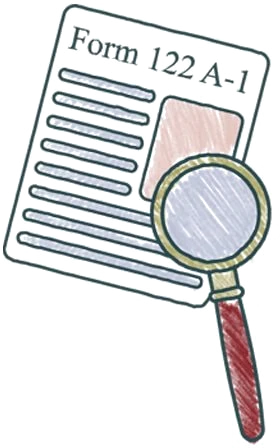
The real question is whether you qualify for Chapter 7 or Chapter 13 based on your income. There’s a means test that compares your income to New York’s median income levels. If you’re below the median, you qualify for Chapter 7. If you’re above it, you might still qualify depending on your expenses, or you’ll file Chapter 13 instead.

Most people who need bankruptcy can afford to file bankruptcy. The cost of not filing—continued creditor harassment, potential foreclosure, wage garnishment—is usually much higher than the cost of filing. And once you file, you’re on a path to eliminate debt and rebuild your finances instead of treading water.

From your first consultation to filing your petition usually takes one to three weeks. We need time to gather your financial documents, prepare your bankruptcy schedules, and make sure everything is accurate before we file with the court in Central Islip.

If you’re facing an imminent foreclosure sale or wage garnishment, we can file an emergency petition in as little as 24 hours to get that automatic stay protection in place immediately. We’ll file the bare minimum required to stop the foreclosure, then complete the rest of your paperwork in the days that follow.

Once your case is filed, Chapter 7 takes about three to four months from filing to discharge. Chapter 13 takes three to five years because you’re making plan payments over that time, but you get the protection of the automatic stay from day one. The timeline is predictable, and we keep you informed at every step.

Not if you file Chapter 13 and keep up with your plan payments. Chapter 13 is specifically designed to help you keep your home when you’re behind on your mortgage. It stops the foreclosure and gives you three to five years to catch up on what you owe while making your regular mortgage payment going forward.

New York’s bankruptcy exemptions also protect a certain amount of home equity. If you have equity in your Nassau County home, the exemption protects it up to the allowed amount. Most people who file bankruptcy don’t have significant equity because they’re behind on payments or underwater on their mortgage, so the exemption covers them.

In Chapter 7, you can keep your home if you’re current on your mortgage and your equity is within the exemption limits. If you’re behind on payments, Chapter 7 doesn’t give you a way to catch up, so Chapter 13 is the better option for saving your house. The goal is to stop the foreclosure and give you a realistic path to keep your home—and that’s exactly what Chapter 13 does.

The lawyer is the same—we handle both Chapter 7 and Chapter 13 cases. The difference is which chapter of the bankruptcy code fits your situation better based on your income, debts, and what you’re trying to accomplish.

Chapter 7 is faster and eliminates most unsecured debt in three to four months. It works well if you don’t have significant assets to protect, you’re not behind on your mortgage, and your income qualifies you under the means test. You’ll lose any non-exempt assets, but most people filing Chapter 7 don’t have assets beyond what the exemptions protect.

Chapter 13 is a three-to-five-year repayment plan. It’s the right choice if you’re behind on your mortgage and want to keep your home, if your income is too high to qualify for Chapter 7, or if you have non-exempt assets you want to protect. You make monthly plan payments to a trustee, and those payments go toward catching up on secured debts and paying a portion of your unsecured debts. At the end of the plan, remaining unsecured debt is discharged.

Other Services we provide in Nassau County

Top