(631)-271-3737
 (718)-751-0226
 (516)-307-0262
 (347)-508-9316
 (631)-223-4502
Summary:
How Foreclosure Auctions Work in Nassau and Suffolk Counties
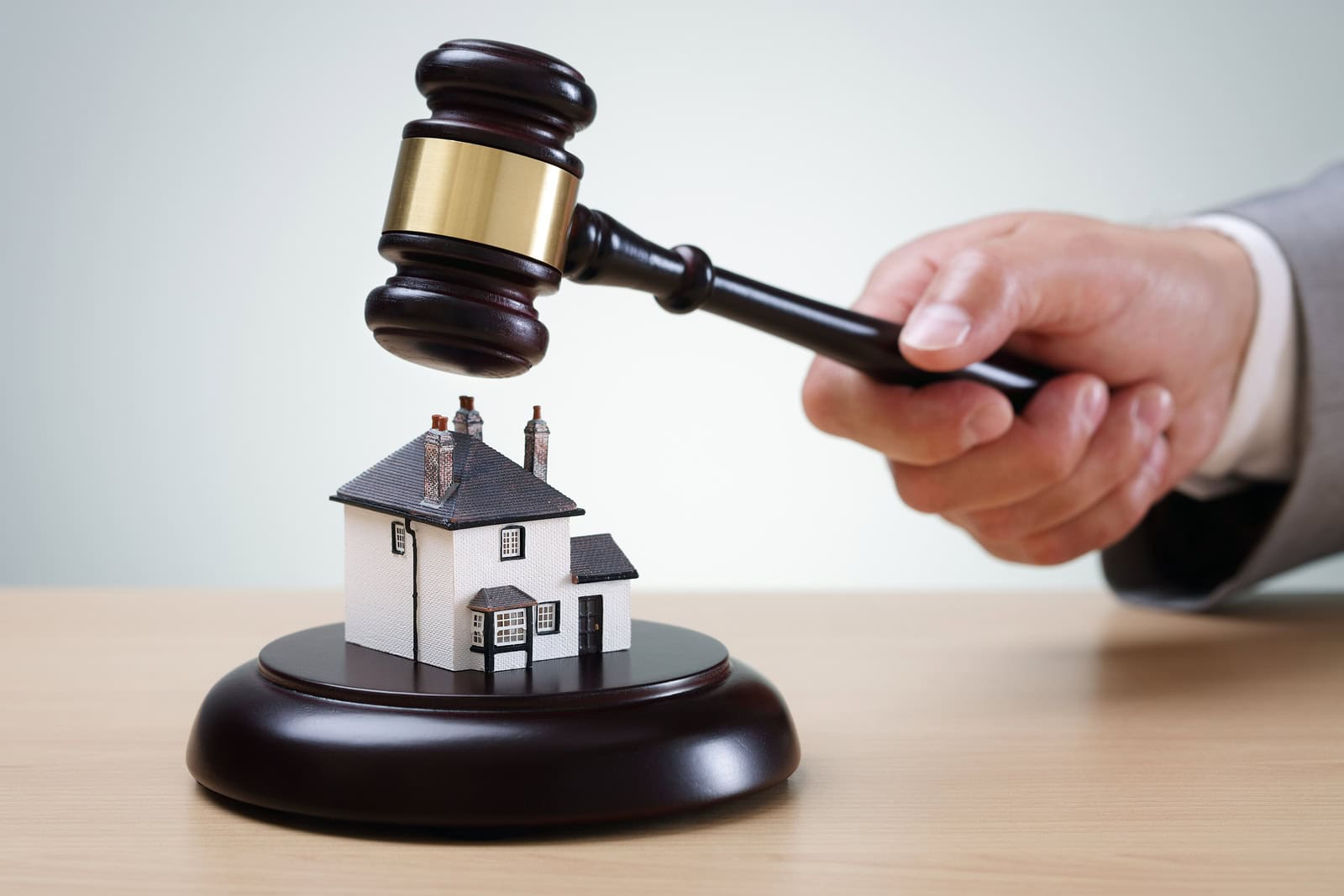
The foreclosure sale is usually held at the Supreme Court courthouse or at the town hall for the town or village where your property is located. This isn’t just a formality—it’s the final step before your home’s ownership legally transfers to someone else.
The foreclosure sale has four distinct stages: the notice period, the auction itself, the closing, and post-closing. Each stage has specific timelines and requirements that must be followed. Understanding these can reveal opportunities for legal intervention.
There must be a public announcement of the foreclosure sale in a local newspaper publication for four weeks as required by New York State laws. This information will also be available on the County Supreme Court’s website for potential bidders to review.
Notice of Foreclosure Sale: Your Critical Warning Period
The Notice of Sale is a one-page form mailed to you with crucial details, and it’s also sent to your lenders, their lawyers, your foreclosure lawyer, and any other parties in your foreclosure case. This notice isn’t just information. It’s your official countdown timer.
The notice includes the exact date, time, and location of your auction. In Nassau County, auctions typically happen at the Supreme Court building in Mineola. In Suffolk County, foreclosure auctions take place at town halls throughout Suffolk County, from Riverhead to Smithtown to Southampton.
Here’s what most homeowners don’t realize: while lenders must publish notice for four weeks, they’re not required to directly notify defendants who haven’t answered or otherwise defended the foreclosure proceeding. This means if you haven’t been actively participating in your foreclosure case, you might not even receive direct notice of the sale.
The timeline is tight—typically about 45 days from when judgment papers are filed to the notice of sale, then another 90 days until the public auction. During this window, legal intervention is still possible, but it requires immediate action.
The notice period serves another crucial purpose: it’s when serious bidders conduct their due diligence. They’ll research the property, arrange financing, and prepare for the auction. This helps you realize that the foreclosure auction isn’t just a formality—real money and real buyers are involved.
Your home is about to become a commodity unless you take action. But even at this late stage, experienced foreclosure attorneys know how to challenge the process and potentially stop the sale.
What Happens on Foreclosure Auction Day on Long Island
The auction can be held either inside or outside, depending on the weather or priorities like pandemic limitations. Don’t expect a Hollywood-style dramatic scene with fast-talking auctioneers. These are typically methodical, business-like proceedings conducted by a court-appointed referee.
The referee has significant control over the process. They verify bidder qualifications, manage the bidding, and ensure all legal requirements are met. The referee accepts bids from potential buyers who must have cash or certified funds ready, and the highest bidder wins the property and receives a referee’s deed.
The closing on the property needs to take place 30 days after the auction. However, the highest bidder often gets time extensions from the referee. This detail matters because it means the sale isn’t immediately final.
If the high bidder is unwilling to close or unable to obtain the balance needed to close the sale, their bid is forfeited and the sale is voided. When this happens, a new auction needs to be scheduled. This creates another potential opportunity for legal intervention.
What many homeowners don’t realize is that they can actually attend their own auction. While emotionally difficult, being present allows you to understand exactly what’s happening. You might discover procedural errors or notice issues with bidder qualifications that your attorney can use.
If the auction brought in more money than you owed, the excess will be deposited with the court, and you’ll be able to claim it through a Surplus Monies Proceeding. This happens more often than you might think, especially in Long Island’s strong real estate market.
The auction represents a point of no return—unless you know your legal options. That’s where last-minute foreclosure solutions become critical.
Last-Minute Legal Options to Stop Foreclosure Auctions in NY
Even when your auction date is set, New York law provides several potential avenues for stopping or delaying the sale. There are two main ways to stop a foreclosure proceeding: filing a bankruptcy case (the automatic stay would stop the sale) or filing an emergency Order to Show Cause (if granted, would also stop the sale).
New York has some of the most borrower-friendly foreclosure laws in the country, offering protections throughout the foreclosure process. This isn’t just legal theory—it translates into real options that we can use to protect your home.
The key is acting quickly and strategically. Whether it’s asking the court to vacate default, filing a notice of appeal and request to stay enforcement of the judgment, or submitting a petition to bankruptcy court, there are options available even after entry of a judgment of foreclosure and sale.
Emergency Order to Show Cause: Stopping the Sale Immediately
The most common avenue we take as New York foreclosure attorneys, especially when retained after a judgment of foreclosure and sale is entered, is to file an Order to Show Cause to stop the sale pursuant to CPLR 2214(d). Think of this as an emergency brake that can halt the auction while the court reviews your case.
The Order to Show Cause to stop the sale should ask the court to stay the sale until the judge makes a decision. This isn’t just a delaying tactic. It’s a legitimate legal tool designed to ensure that foreclosures follow proper procedures and that homeowners’ rights are protected.
The Order to Show Cause can be based on several grounds. If the required 90-day notice wasn’t sent in accordance with RPAPL Section 1304 requirements, the Supreme Court is generally divested of jurisdiction, and this can be grounds for both stopping the sale and vacating the default.
Other common grounds include challenging the lender’s standing to foreclose, questioning the validity of the mortgage assignment, or identifying procedural errors in the foreclosure process. There could be jurisdiction and other possible material procedural defects that, if brought to the attention of the court, in rare cases may overturn and vacate the sale.
The timing is critical. Orders to show cause generally result in quicker adjudication when time is of the essence. As experienced Long Island foreclosure attorneys, we know how to prepare and file these motions quickly, often within days of being retained.
Success isn’t guaranteed, but it’s not rare either. Courts take these motions seriously, especially when they identify legitimate procedural issues or violations of borrower rights. Even if the ultimate result is that the foreclosure proceeds, the Order to Show Cause can buy valuable time for loan modification negotiations or other foreclosure sale options.
Using Bankruptcy to Stop Foreclosure Auctions on Long Island
If a foreclosure sale is scheduled to occur in the next day or so, the best way to stop the sale immediately is by filing for bankruptcy. Once you file, an “automatic stay” goes into effect that functions as an injunction prohibiting the lender from foreclosing on your home.
A bankruptcy case has the advantage of providing a sense of certainty by immediately stopping a foreclosure process and any possible actions within the foreclosure litigation such as a foreclosure sale. Unlike other legal strategies that depend on court discretion, the automatic stay is immediate and mandatory.
There are several types of bankruptcy cases available to persons in foreclosure: Chapter 13, Chapter 11, and Chapter 7. Chapters 13 and 11 reorganize debt around a plan which allows a “catch up” over time on mortgage arrears, while Chapter 7 eliminates or “discharges” debt.
Chapter 13 is often the most strategic choice for homeowners who want to keep their homes. A Chapter 13 bankruptcy case is often used to stop the foreclosure process with the goal of curing mortgage arrears over a designated period. Under Chapter 13, a monthly payment plan allows the gradual curing of debt, including mortgage arrears, over time for up to five years.
Filing for Chapter 7 bankruptcy can delay the foreclosure by a matter of months. Or, if you want to save your home, filing for Chapter 13 bankruptcy might be the answer. The choice depends on your income, assets, and long-term goals.
Here’s what many people don’t understand about bankruptcy in foreclosure cases: it’s not just about stopping the auction. During the Chapter 13 process, you make post-petition mortgage payments plus Chapter 13 plan payments to a court-appointed trustee. This combination allows you not to fall further behind while curing the existing arrears.
The bankruptcy option works even at the last minute. If a lender has already scheduled a foreclosure auction for your home, the foreclosure sale will be delayed by three to four months unless they bring forth a motion to lift the stay. This gives you breathing room to explore other solutions or negotiate with your lender from a position of strength.
For Nassau and Suffolk County homeowners, bankruptcy represents more than just stopping the auction—it’s a comprehensive debt solution that can address the underlying financial problems that led to foreclosure in the first place.
Taking Action: Your Foreclosure Auction Defense Options on Long Island
The foreclosure auction process in Nassau and Suffolk Counties follows strict timelines, but understanding these timelines reveals opportunities for legal intervention. You can stop the sale at any time up until your home is sold if you come up with the money owed, and you can try to contact the plaintiff to see if your loan can be modified up until your home is sold.
Even after the auction, your rights don’t disappear. The final sale does not legally require you to immediately leave. We may offer an eviction defense in landlord/tenant court to give you more time to move.
When trying to prevent their home from going into foreclosure, a client’s success greatly depends on the skill of the attorney defending them. The legal strategies we’ve discussed—from emergency Orders to Show Cause to strategic bankruptcy filings—require immediate professional guidance and deep knowledge of Long Island foreclosure procedures.
If you’re facing a foreclosure auction on Long Island, don’t wait. We have been defending Nassau and Suffolk County homeowners since 1993, with the experience and resources to evaluate your specific situation and implement the most effective legal strategy. Contact us immediately for a free consultation to explore your options and potentially save your home.