New York Bankruptcy Lawyer

Bankruptcy Expertise and Solutions That Are Extraordinary… But Also Affordable and Accessible.

Affordable bankruptcy expertise and legal debt solutions across New York, from Long Island to the five boroughs to Westchester. Representing New York individuals and businesses in every chapter of the Bankruptcy Code since 1988.

★★★★★ 5.0 Free Consultations Same Day Appointments Convenient LI & NYC Locations
The Ronald D. Weiss legal team — 25+ dedicated debt solutions professionals
Google Reviews - 5.0 stars Facebook Reviews - 5.0 stars BBB A+ Rating Lawyers.com - 5.0 stars Avvo 10.0 Superb Rating Super Lawyers Martindale-Hubbell Client Champion Platinum 2026 BirdEye - 4.9 stars
Excellent ★★★★★ 5.0 | 395 reviews
Free Consultation

No obligation, no fee, no catch. Call or visit any of our three Long Island offices today.

Book Free Consultation
5 Locations Serving New York State

Brooklyn Queens Melville Bohemia Mineola

View All Locations
Multilingual Staff

Hablamos Español हम हिंदी बोलते हैं ہم اردو بولتے ہیں Мы говорим по-русски

Schedule a Call
New York bankruptcy help

New York bankruptcy help

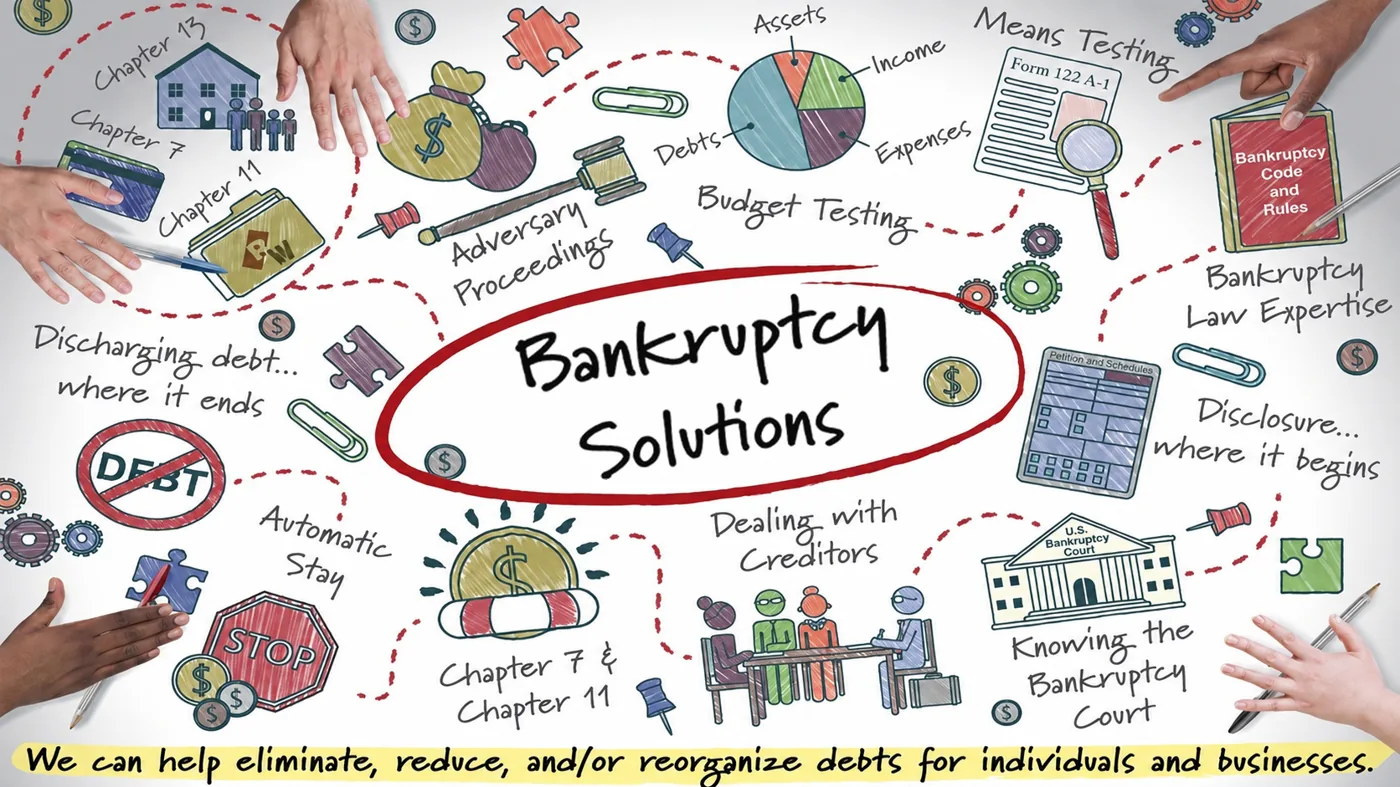
We can help eliminate, reduce, and/or reorganize debts for individuals and businesses.

  • Serving all of New York
  • Stop wage garnishment
  • Free case review

I. Bankruptcy Solutions

Why Consider “Bankruptcy Solutions”?

Our law offices, the Law Offices of Ronald D. Weiss, P.C., have helped New York individuals and businesses legally resolve debt since 1988 through several debt-resolution methods including bankruptcy, negotiations, and litigation.

A voluntary bankruptcy case is filed by an individual or corporation when they are going through financial hardship and are unable to timely pay all of their debt. Bankruptcy offers an effective, organized, legal resolution to the debt where, in a federal bankruptcy court, the debt is either eliminated, reduced, and/or reorganized, depending on the debtor’s specific economic circumstances and the chapter of the Bankruptcy Code chosen by the debtor.

Bankruptcy in General

Bankruptcy resolves debt without needing creditor approval. Chapter 7 eliminates debt, Chapter 13 reorganizes it for individuals and Chapter 11 for businesses, and each stops collection with the automatic stay and ends in a discharge.

The resolution of debt through bankruptcy, or “Bankruptcy Solutions”, is generally the most effective way to deal with debt. That is because bankruptcy is a court-administered proceeding where the resolution is legally imposed on creditors, making it usually more predictable and a better outcome than the alternatives of “Negotiated Solutions” or “Litigated Solutions.”

Bankruptcy Solutions arguably give greater relief than Negotiated Solutions, since Negotiated Solutions depend on favorable compromises with creditors, which are inherently uncertain. Bankruptcy Solutions also arguably give greater relief than Litigated Solutions, which require that legal disputes with creditors have a positive result in a contested court case: inherently unpredictable and potentially expensive. Negotiated and Litigated Solutions also usually do not permanently forgive all of our client’s debt, since usually only bankruptcy is powerful enough to potentially offer such a complete resolution.

Bankruptcy is the most effective way to deal with debt.

II. Why Our Office

Why Legal Representation by Our Office for Your Bankruptcy Case?

Our New York bankruptcy attorneys have extensive experience and resources to legally represent you, effectively and affordably, to give you greater relief in almost any bankruptcy matter. We handle both straight-forward cases (seemingly without issues) and complex cases that may have nuances, problems, and contested issues.

Even seemingly straight-forward cases may have legal pitfalls, risks, and areas where it is relatively easy to make a mistake. We have the expertise, creativity, and empathy to successfully represent New York individuals and businesses in any chapter of the Bankruptcy Code, Chapter 7, Chapter 13, Chapter 11, and Subchapter V, as well as contested and potentially complex matters: Adversary Proceedings, Contested Motions, and Bankruptcy Appeals.

The best way to determine if we can effectively represent you, and whether bankruptcy is right for you, is to schedule a free legal consultation at one of our New York offices.

An older couple smiling and sharing coffee at home

Relief Starts Here

A future without the weight of debt

Clients tell us they sleep better the moment a bankruptcy filing stops the creditor calls. That immediate relief is just the beginning: we help you take back control of your financial life, one chapter at a time.

Free Consultation

Talk to a New York Bankruptcy Attorney Today

No obligation, no fee, no catch: just straight answers from a 30+ year bankruptcy practice.

III. Bankruptcy Essentials

How We Help With the “Bankruptcy Essentials”

For our New York clients, we have the expertise and experience to handle every essential component of a bankruptcy case:

Essential 1 · Automatic Stay
Automatic Stay

The automatic stay starts the second a bankruptcy is filed and stops collection calls, lawsuits, wage garnishments, bank restraints, car repossessions and foreclosures. A creditor who knowingly violates it can be sanctioned or made to pay damages.

Essential 2 · Discharge
Discharge

A bankruptcy discharge is a court order at the end of your case that permanently cancels credit card, personal loan, medical and most other debts. Unlike debt consolidation, it is fast, final and based on your finances.

Step One

Disclosure Compliance & Preparation

Petition and schedules illustrationWe help clients engage in crucial compliance with Disclosure, the open and honest conveying of financial information required in the bankruptcy petition, schedules, statement of financial affairs, and other documents filed in the case. Disclosure also includes information requested at the creditor’s meeting, where a bankruptcy trustee (and possibly creditors) can ask the debtor far-reaching financial questions and request backup documentation about the debtor’s economic circumstances.

Step Two

Expediting the Automatic Bankruptcy Stay

Stop sign illustrationWe strategize with clients, especially debtors in emergency situations, to expedite filing the bankruptcy petition so that the Automatic Bankruptcy Stay provides immediate protection from creditors the minute the case is filed. The automatic stay quickly and broadly protects the debtor and their assets from any manner of debt collection: foreclosure sales, vehicle repossessions, bank restraints, wage garnishment, collection lawsuits, and eviction actions. However, the automatic stay is not unconditional, impervious, or permanent: secured creditors, landlords, and other creditors can move to lift the stay if they show their rights may be impaired. We oppose those motions and strategize to protect the stay by ensuring the debtor timely meets requirements and submits a fair plan.

Step Three

Obtaining the Bankruptcy Discharge & Assuring a Fresh Start

House illustrationThe goal in most bankruptcy cases is a Bankruptcy Discharge, a Court Order issued at the end of a case granting the debtor permanent legal forgiveness of pre-petition debt. In Chapter 7 (the most-used chapter), if there are no serious issues, the case can be administered and a Discharge Order issued approximately four months after the petition is filed. Some cases have issues involving inadequate disclosure, unnecessary spending, excess income, potential equity in assets, and/or potential avoidable transfers. Most debts are dischargeable; however, government fines, student loans, and taxes need to be reviewed by our office for whether and how they can be discharged. After obtaining a Discharge, we help the debtor pursue a financial Fresh Start, rebuilding finances and credit. Creditors or the Trustee can, in extreme situations, object to discharge based on misrepresentation, lack of cooperation, unexplained loss of assets, abusive spending, avoidable transfers, or excessive income; we represent and defend our clients in all such situations.

Step Four

Achieving Confirmation of a Plan

Bankruptcy code and rules illustrationIn Chapter 13, Chapter 11, and Subchapter V cases (all of which reorganize, extend, and potentially reduce debt) we focus on achieving Confirmation of a Plan. A Confirmation Order is a Court Order making a proposed reorganization plan binding on all parties. In Chapter 13 and Subchapter V, confirmation of a plan (maximum five-year term) is decided primarily by the Court based on the Bankruptcy Trustee’s recommendation. In Chapter 11 there is more variation in plan duration (which can exceed five years), and the amounts/methods of distribution and method of confirmation are voted on primarily by impaired creditors. Once a plan is confirmed, the debtor must fulfill its terms in order to obtain debt forgiveness at the end of the plan; if a debtor with a confirmed plan defaults, creditors and/or the trustee can seek relief from the automatic stay or have the case dismissed.

Our bankruptcy expertise allows us to advise you across every Bankruptcy Essential: Disclosure, the Automatic Stay, the Discharge, a Fresh Start, and Confirmation of a Plan.

IV. Right Chapter Strategy

How We Strategize and Decide on the Right Bankruptcy Chapter

There are several “tests” we use to determine eligibility and the right bankruptcy chapter for each of our New York clients. Strategy involves assessing income, budgets, assets, spending, debt levels, and potential avoidable transfers:

Bankruptcy Means Testing

The means test measures your gross income against family size, with discounted treatment for housing, insurance, support and car payments. Earn too much for Chapter 7, and Chapter 13 may let you repay a percentage over five years.

01

Strategizing “Bankruptcy Means Testing”

Under the requirement for Bankruptcy Means Testing, we strategize to qualify a debtor for bankruptcy relief after determining whether the debtor’s six (6) months of gross income is below the median for a household of their size, allowing them to file in Chapter 7 to fully discharge debt, or a Pro Rata Chapter 13 case to partially pay debt over a five-year plan. Means Testing relies on IRS calculations of median gross annual income for a household of a certain size in a geographic area. Even if the debtor’s income is above the median, there are limited ways to strategically qualify a debtor by adjusting income, strategizing over the six-month period used, deducting allowable living expenses (housing, utilities, transportation, health care, family support, childcare/education, insurance), or using special circumstances (medical debt, job/income loss, elderly/disabled care) or exemptions for primarily-business debt.

02

Strategizing “Bankruptcy Budget Testing”

Under Bankruptcy Budget Testing, we strategize to qualify a debtor so that for a Chapter 7 case we have a Negative Budget, monthly expenses exceeding monthly net income (excluding spending on unsecured debts that would be discharged). The Budget Test reviews the present and immediate future, while the Means Test looks back at the past six months. Both are reviewed by our office for bankruptcy eligibility. If the monthly budget is persistently positive, the debtor is not eligible for Chapter 7 but can file for reorganization under Chapter 13, Chapter 11, or Subchapter V. If we can get the reasonable monthly budget to be negative, we can qualify the debtor for Chapter 7.

03

Strategizing “Bankruptcy Asset Testing”

While not a formal requirement, Bankruptcy Asset Testing is done by our staff in every case to assess whether there is significant Unprotected Equity in the debtor’s assets. Unprotected Equity is the fair market value in an asset beyond the combination of: (a) secured debts (mortgages, car loans), (b) liens (judgment or tax liens), and (c) state-law or federal-law exemptions. Key exemptions include the New York homestead exemption of $204,825 for an owner residing at their primary property in the Eastern or Southern Districts of New York, and a combined federal wildcard exemption of $17,475 covering items not otherwise protected. If unprotected equity is significant, we usually avoid Chapter 7 (where a trustee can force a sale of the asset) and instead opt for Chapter 13, 11, or Subchapter V, where the debtor keeps assets subject to a higher plan distribution that accounts for the equity.

04

Strategizing “Bankruptcy Good Faith Expenses”

It is not a formal requirement to assess Good Faith Expenses, but as part of our due diligence our staff measures stated expenses against median spending averages for particular items in New York State and against the particular circumstances of our clients. In Chapter 7, actual good-faith expenses must show a negative budget to justify forgiveness; in Chapter 13, Chapter 11, or Subchapter V, expenses must show a positive budget to allow plan payments. We must not only prove unusually high expenses but also justify them as necessary and in good faith, meaning creditors are not effectively supporting over-spending, luxuries, or unnecessary expenses.

05

Strategizing “Bankruptcy Avoidable Transfers”

Scrutinizing cases for Avoidable Transfers is a reasonable precaution our staff engages in for potential clients. Avoidable transfers are transfers of excess value from the debtor to another individual or entity at a time the debtor is insolvent. The main types are preferences (transfers to a creditor) and fraudulent conveyances (transfers to a non-creditor for less than reasonable value). The look-back period for a preference is 90 days for third parties and one year for insiders. In New York, the look-back for fraudulent conveyances is four years. If we find a potential avoidable transfer, we assess its implications and whether it changes our strategy entirely or whether we can accommodate the risk.

06

Strategizing “Bankruptcy Debt Limits”

Analyzing Debt Limits is a requirement for cases filed under Chapter 13 or Subchapter V. If our client cannot meet these limits, debt limits are not a factor for Chapter 7 or Chapter 11 (no statutory limit on debt for those chapters, though practically a debtor must explain the debt). Where debt is disputed and/or not yet reduced to a judgment, we have more flexibility with the limits.

Median Income: Eastern & Southern Districts of New York (April 2026)

Used to determine Chapter 7 eligibility under the Means Test.

Family SizeLower New York State Median
1 Earner$73,272
2 People$92,902
3 People$115,579
4 People$139,040

*Add $11,100 for each individual in excess of 4.

Key Bankruptcy Debt Limits

Total non-contingent, liquidated debt; small businesses/individuals engaged in commercial activities, excluding affiliates and insiders.

ChapterEffective PeriodLimit(s)
Chapter 13: SecuredApr 1, 2025 – Mar 31, 2028$1,580,125
Chapter 13: UnsecuredApr 1, 2025 – Mar 31, 2028$526,700
Subchapter V: Secured & Unsecured (combined)As of June 21, 2024$3,024,725

Our bankruptcy experience allows us to strategize over what type of bankruptcy case to file for our New York clients.

Not Sure How to Deal With Your Debt?

Free Consultation Available Now

In a free consultation, we go through your situation and your options with you, and decide on a plan of action.

Creative Legal Solutions to Your Debt Challenges video

Creative Legal Solutions to Your Debt Challenges. See how we deliberate with you and strategize which options best apply to your situation, and how to best resolve your debt challenges.

Fresh Financial Start

Rebuild on a foundation that holds

Choosing the right chapter is only the foundation. From there, you rebuild: credit, savings, peace of mind. Our attorneys don’t just file your case; we position you to thrive long after the discharge.

Relaxed mature couple at homeFather relaxing with his two childrenJoyful couple with their newbornMultigenerational family embracing at home

V. Representation by Chapter

How We Represent You Under Any Chapter of the Bankruptcy Code

We represent New York individuals and businesses across every chapter of the Bankruptcy Code:

Chapter 7

Chapter 7 of the Bankruptcy Code

We file Chapter 7 cases to eliminate debt for individuals and corporations, also called a liquidation case. Our client must meet the Median Income Test (below-average income for household size) and the Budget Test (negative monthly cash flow). Every case is also reviewed under Asset, Good Faith Expense, and Avoidable Transfer Tests. There is a creditors meeting (the “341 Meeting”) where a Chapter 7 Trustee examines our client; post-COVID most 341 Meetings are by Zoom, with the client coming to our office where our attorneys prepare and represent them. The Trustee’s main role is to marshal assets, questioning for unprotected equity, potential lawsuits, avoidable transfers, and qualifying income/budget. Most Chapter 7 cases are no-asset cases where the debtor receives a discharge within several months.

Liquidation
Chapter 13

Chapter 13 of the Bankruptcy Code

We file Chapter 13 cases to reorganize the debt of individual clients where elimination in Chapter 7 is not possible or helpful: either because the debtor doesn’t pass the Means, Budget, Asset, Good Faith, or Avoidable Transfer Tests, or because the debt cannot simply be eliminated (secured mortgage arrears, non-dischargeable debt like student loans or taxes). Chapter 13 is the “wage earner’s bankruptcy”, individual debtors with regular income reorganize their obligations into a 3–5 year plan with monthly payments to a Chapter 13 Trustee. The Trustee reviews disclosure from the bankruptcy schedules, supporting documents, and 341 Meeting testimony to determine whether the debtor’s budget supports the necessary plan distributions. Creditors must file Proofs of Claim with documentary proof of validity and amount, which we can dispute on the debtor’s behalf. Once a plan is confirmed, the debtor must sustain payments for the duration of the plan to obtain discharge. We use four distinct plan approaches, see the breakdown below.

Wage Earner
Chapter 11

Chapter 11 of the Bankruptcy Code

Under a Chapter 11 case, our client is usually a business entity, a corporation, an individual doing business under their own name, or an individual whose debt exceeds the Chapter 13 limits. We typically file a Chapter 11 Plan of Reorganization after a period of post-filing operation. The plan must be voted on by classes of impaired creditors, those who will not receive their full claim under the plan. Prior to the vote, we submit a Disclosure Statement covering the debtor’s finances, debts, hardships, history, and exit strategy, along with a liquidation analysis and projection. Chapter 11 offers great leeway in plan length, payment methods, and amounts. During the case, the debtor operates ordinary-course business but needs court approval for any action outside the ordinary course. The U.S. Trustee’s Office monitors compliance via creditors meetings, status conferences, monthly operating reports, and DIP bank accounts.

Business Reorg
Subchapter V

Subchapter V of the Bankruptcy Code

Subchapter V cases reorganize smaller, active businesses whose total secured + unsecured non-contingent debt falls below the Sub V debt limits. It is a streamlined small-business Chapter 11 that bypasses many of the more onerous Chapter 11 requirements: no formal Disclosure Statement, no formal creditor balloting. A Sub V plan can be a non-consensual plan, confirmed if it is fair and equitable, does not discriminate unfairly, and meets the best interests test (creditors receive at least Chapter 7 liquidation value). The trade-off is shorter deadlines: Sub V moves quickly. Oversight is mostly by a Subchapter V Trustee, typically a business person serving more in an advisory than adversarial role. To a large extent, Sub V is a hybrid between Chapter 11 and Chapter 13.

Streamlined SMB

Chapter 13 Deep Dive

Four Chapter 13 Plan Approaches We Use

Chapter 13 lets us reorganize a client’s debt several different ways. We pick the approach that fits the debtor’s arrears, income, equity, and unsecured-debt mix:

A

Traditional “Catch-Up” Plan

We take the debtor’s arrears (mortgage arrears and other secured/unsecured debt) and spread them over a 36-to-60-month plan. While catching up, the debtor must stay current on present and future mortgage and car-loan payments.

B

Loss Mitigation / Modification Plan

We apply on the debtor’s behalf for a mortgage loan modification, and the plan is confirmed based on the modified loan. The modification rolls arrears into the new principal with a fresh term and interest rate, so the debtor pays one modified mortgage payment rather than separating arrears and current payments. If the modification is denied or the assigned judge does not allow modification, we pivot to a traditional catch-up plan.

C

Percentage / “Pro Rata” Plan

The debtor pays unsecured creditors a percentage of their claims rather than the full amount. The pro rata percentage depends on unprotected equity in assets, income above the household median, budget surplus, and any luxury spending the trustee considers redirectable. Most useful when the debtor’s debt is heavily unsecured: high credit-card debt, business debt, or after we cram down a second mortgage on a non-residence.

D

Sale-of-Assets Plan

The debtor proposes to sell property to pay off debt. The debtor usually needs to be in a real-estate contract (or close to one) with sufficient equity for a meaningful distribution under the plan. Courts will not accept a vague intent to list and hope for a buyer; the contract must be tangible and entered quickly.

Watch · Chapter Strategy

Three Short Videos on Choosing Between Chapter 7, Chapter 13, and Chapter 11

Chapter 13 · When Chapter 7 Is Not Possible
When Chapter 7 Isn’t an Option

Chapter 7 wipes out debt quickly but is limited by income and requires a negative budget. If you don’t qualify, Chapter 13 reorganizes debts over 60 months without interest, stops collection, and ends in a discharge.

Chapter 13 · Plan Options
Chapter 13 Plan Options

Chapter 13 has the fewest restrictions and stretches payments up to 60 months. Three plan types: a catch-up plan for arrears, a loss mitigation plan to modify your mortgage, and a percentage plan paying part of unsecured debt.

Chapter 11 · Business Reorganization
Chapter 11 Business Reorganization

Chapter 11 lets a business keep running as a debtor in possession while it reorganizes under bankruptcy court and US Trustee supervision. Creditors vote on a plan, usually reduced payments over time, and the court must approve it.

We have the expertise and experience to help New York clients decide on the right debt relief for their financial challenges, and to represent them well under any chapter of the Bankruptcy Code.

Facing an Adversary Proceeding or Contested Motion?

Need Help With a Complex Bankruptcy Matter?

Our New York attorneys defend clients in adversary proceedings, contested motions, and appeals, with the experience these high-stakes situations require.

VI. Complex Bankruptcy Matters

How We Represent You in “Complex Bankruptcy Matters”

For New York clients facing contested bankruptcy proceedings, we bring deep courtroom experience and resources to the fight:

01 Contested Court Cases

Adversary Proceedings

An Adversary Proceeding is a separate contested litigation within a bankruptcy case, usually started by the trustee, a creditor, or another party in interest. It has its own case number and docket, begins with a summons and complaint, and typically involves discovery, motion practice, memoranda of law, and sometimes a trial. Adversary proceedings cover:

  • Avoidable Transfer, an action to deem an asset transfer to be a fraudulent conveyance or preference, started by the trustee or a creditor against the debtor and the recipient-beneficiary.
  • Objection to Discharge or Dischargeability of Debt, when the trustee or a creditor alleges fraud, misrepresentation, bad faith, or violation of law to deny the debtor’s overall discharge or dischargeability of a particular debt.
  • Lien Avoidance, when the debtor seeks to avoid a lien on the debtor’s property; because this seeks to eradicate value, the proceeding gets additional protections.
  • Turnover of Assets, started by the trustee to force the turnover of estate assets held by the debtor or a third party.
Family laughing together on a picnic blanket
02 Disputes Within a Case

Contested Motions

A Contested Motion is a dispute that doesn’t rise to the level of a separate adversary proceeding. It is commenced by motion within the bankruptcy case, initiated by the debtor, a creditor, or the trustee. Common contested motions include:

  • Motion to Vacate Stay, secured creditors allege their interests aren’t adequately protected. We oppose by ensuring post-petition payments, adequate-protection orders, cash-collateral orders, or conditional orders to cure deficiencies.
  • Motion to Extend the Stay, if the debtor had a prior case dismissed within the past year, we move to extend the stay past 30 days by showing changes in circumstances.
  • Motion to Dismiss, filed by the trustee when the debtor isn’t meeting administrative requirements (schedules, 341 meeting attendance, post-petition payments).
  • Motion to Convert, converts the case from one chapter to another (e.g., Ch 11→Ch 7 if reorganization isn’t feasible; Ch 7→Ch 13 to protect assets).
  • Motion for Loss Mitigation, seeks court permission to pursue mortgage modification within a Ch 13/11/Sub V plan as a means to resolve mortgage arrears.
  • Motion to Extend Time to File Schedules, in emergency filings, gives the debtor more than the standard 14 days to file the full schedule set.
  • Motion to Allow Adequate Protection / Cash Collateral, ensures secured creditors’ positions don’t erode while the debtor uses cash receipts to fund reorganization.
  • Motions to Avoid Judicial Liens, Strip Down Mortgages, or Bifurcate Claims, (i) avoid judicial liens that impair the $204,825 NY homestead exemption; (ii) strip down a wholly unsecured secondary mortgage with no collateral equity; (iii) bifurcate an over-secured business loan into secured (at appraised value) plus unsecured (reduced to a plan percentage).
Family gathering at a festive dinner table
03 Appellate Review

Bankruptcy Appeals

A Bankruptcy Appeal is when a party disagrees with a final determination by the Bankruptcy Court. Bankruptcy Courts are federal courts, so appeals go to the United States District Court acting as an appellate court. Non-final (interlocutory) determinations can also be appealed if they have a critical impact on the case as determined by the District Court. Appeals move much more quickly in federal court than in state court: memoranda and records must be filed within a short window. The District Court reviews the same record presented below and may differ from the Bankruptcy Court on conclusions of law; if there is clear error, the District Court may reverse or remand for reconsideration under the correct standard.

Stays Pending Appeal: if an action is about to take place because of the Bankruptcy Court’s determination (a foreclosure sale, a forced sale of business assets) we can apply for a temporary restraining order through an emergency order to show cause, asking the District Court to stay the action while it deliberates. The District Court may deny the stay if it does not see sufficient merit in pausing proceedings.

Multi-generational family hugging on a porch

We have the expertise and experience to represent New York clients well in any “Complex Bankruptcy Matter&rdquo: an Adversary Proceeding, Contested Motion, or Bankruptcy Appeal.

VII. Why Our Representation

Why Our New York Bankruptcy Representation Vastly Increases Your Chances of Success

Our law office has represented New York individuals and businesses undergoing financial challenges since 1988. With six attorneys and a staff of approximately thirty, we are capable of handling most bankruptcy matters: affordably, accessibly, and with a free initial consultation.

E

Experience

38 years of focused bankruptcy work across Long Island and New York City.

E

Expertise

Six attorneys specializing in Chapter 7, 13, 11, Subchapter V, and complex contested matters.

A

Affordability

Free consultations, transparent pricing, flexible payment plans: legal services that match your budget.

C

Creativity

Out-of-the-box strategies for challenging situations, combining bankruptcy, negotiation, and litigation as leverage.

A

Accessibility

Five offices across Long Island and NYC, long hours, evenings and weekends available for emergencies.

A father teaching his young daughter how to ride a bicycle

Protect What Matters

Your home, your family, your future

When you walk into our office, you’re not just hiring a bankruptcy lawyer: you’re hiring a team that fights to protect everything you’ve built and everyone who depends on you.

Bankruptcy Attorneys Across New York State

Five Convenient Offices. Daytime and Evening Hours.

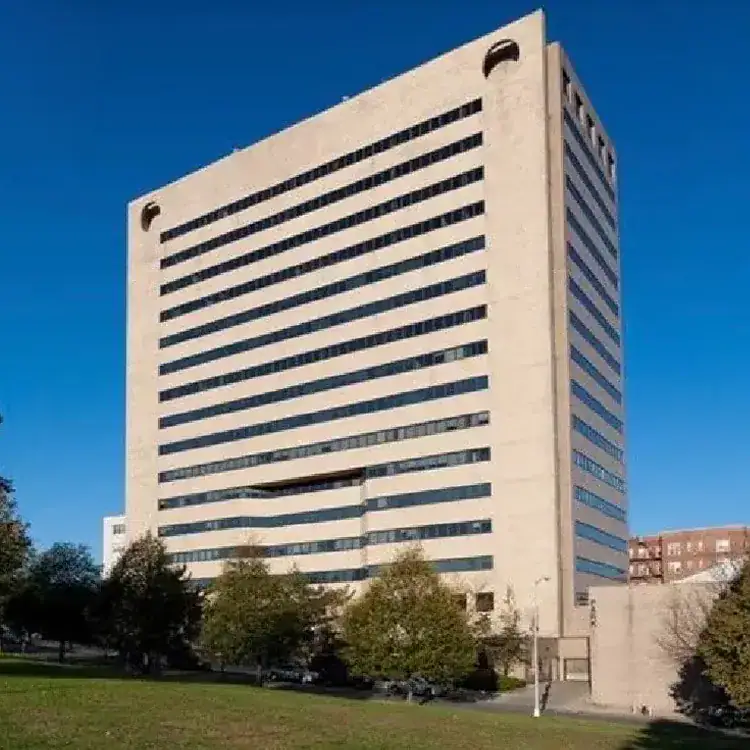
Brooklyn office exterior

Brooklyn Office

Closest to you
By Appointment Only
26 Court St, Suite 2206
Brooklyn, NY 11242
Queens office exterior

Queens Office

Closest to you
By Appointment Only
118-35 Queens Blvd, #400
Forest Hills, NY 11375
Melville office exterior

Melville Office (Main Office)

Closest to you
Walk-ins Welcome
445 Broadhollow Rd, Suite CL-10
Melville, NY 11747
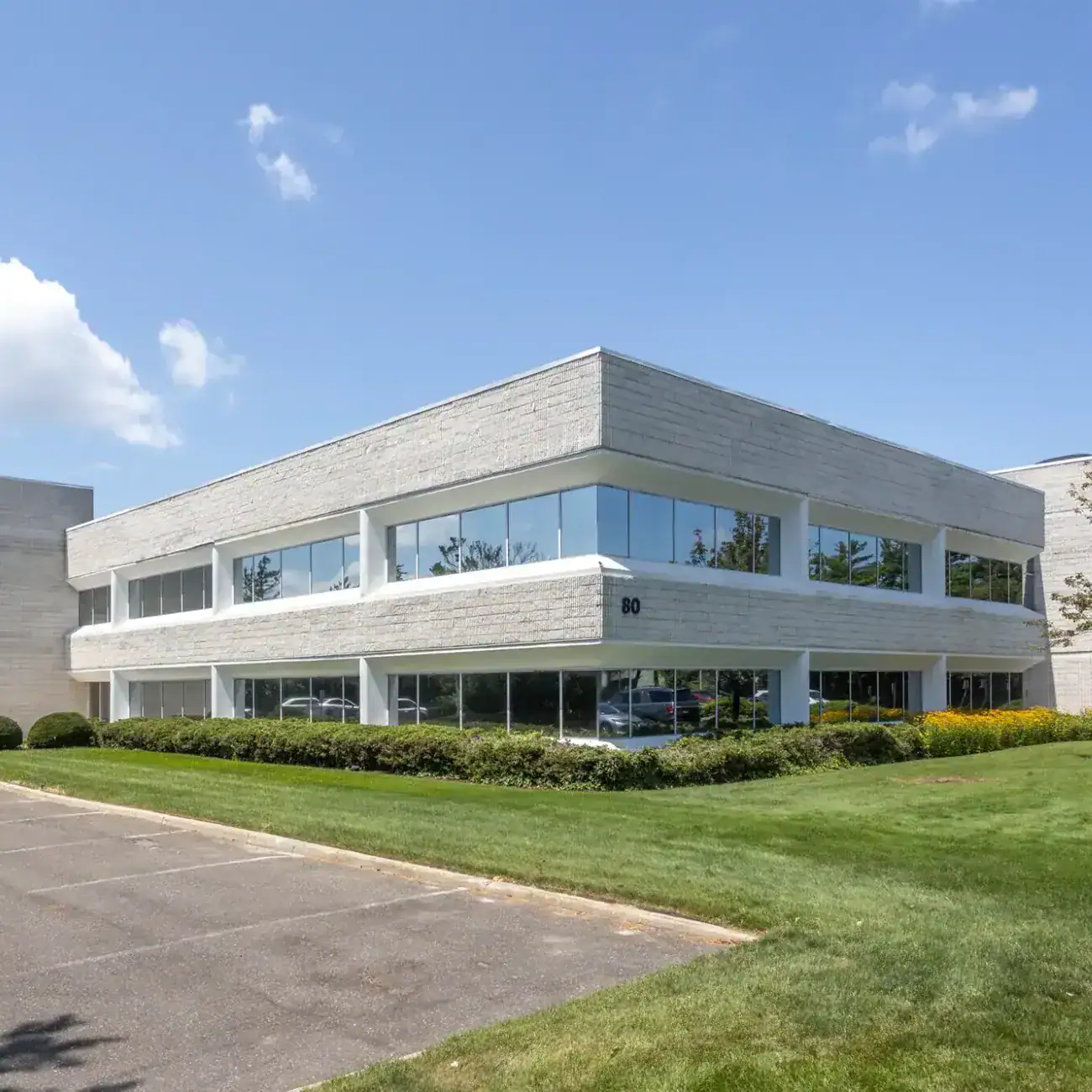
Bohemia office exterior

Bohemia Office

Closest to you
By Appointment Only
80 Orville Dr, Suite 100, Room 225
Bohemia, NY 11716
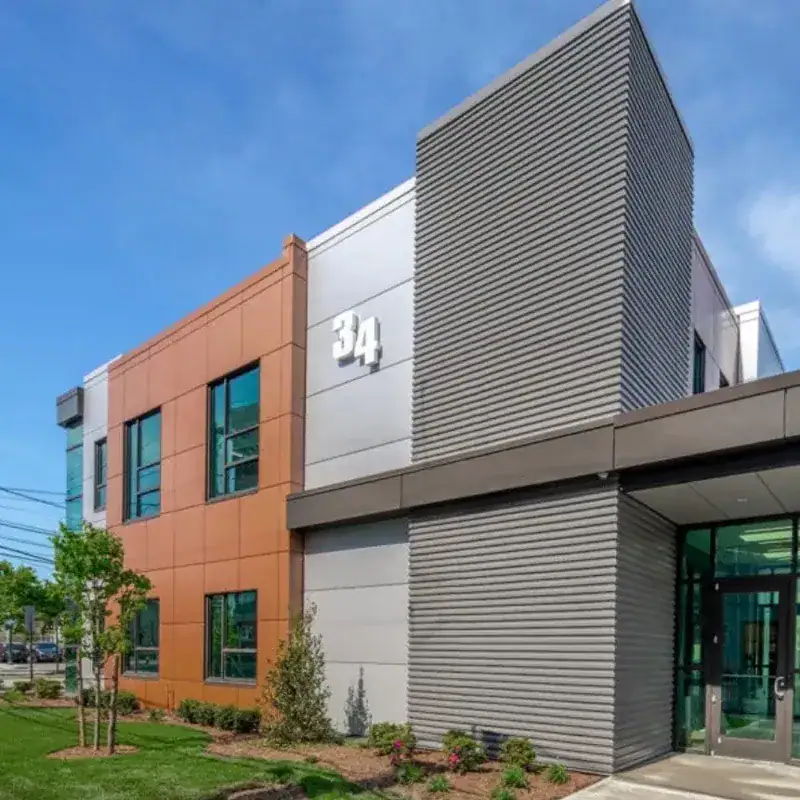
Mineola office exterior

Mineola Office

Closest to you
By Appointment Only
34 Willis Ave
Mineola, NY 11501

Local Expertise

Counties and Boroughs We Serve Across New York

From Montauk to Manhattan, our attorneys represent New York residents statewide. As a bankruptcy lawyer serving the whole region, we cover Long Island as a Long Island bankruptcy lawyer, including a bankruptcy lawyer in Nassau County and a bankruptcy lawyer in Suffolk County, plus the five boroughs, with a bankruptcy lawyer in Brooklyn and a bankruptcy lawyer in Queens, and north into Westchester. We know your local courts, your local economy, and how to fight for your financial future.

Aerial view of Brooklyn, NY
  • Long Island
  • Nassau County
  • Suffolk County
  • Brooklyn
  • Queens
  • Manhattan
  • The Bronx
  • Staten Island
  • Westchester
  • Melville
  • Bohemia
  • Mineola
  • Forest Hills
  • Hempstead
  • Huntington
  • Islip
  • Babylon
  • Brookhaven
  • Smithtown
  • Oyster Bay
  • North Hempstead
  • Central Islip
  • Riverhead
  • Southampton
  • Garden City
  • Freeport
  • Levittown
  • Commack
  • White Plains
  • Yonkers
  • New Rochelle
  • Flushing
  • Jamaica
  • Bay Ridge
  • Park Slope
  • + Many more

Don’t see your area? We serve all of New York: give us a call.

Call 888-4-U-NEW-START

Bankruptcy in New York, specifically

What bankruptcy looks like when you file from anywhere in New York

Where a New York bankruptcy case is filed and heard

Which federal court hears your case depends on where you live. If your address is in Brooklyn, Queens, Staten Island, Nassau or Suffolk, you file in the United States Bankruptcy Court for the Eastern District of New York (EDNY), which sits at the Conrad B. Duberstein U.S. Courthouse at 271-C Cadman Plaza East in Brooklyn and at the Alfonse M. D’Amato U.S. Courthouse in Central Islip. If your address is in Manhattan, the Bronx or Westchester, you file in the Southern District of New York (SDNY), which sits in lower Manhattan and in White Plains. Cases are assigned to a judge by the clerk, not chosen.

Wherever you file, the mechanics are the same federal process. As of the court’s current fee schedule, the filing fee is $338 for Chapter 7 and $313 for Chapter 13; fees can be paid in installments, and in some Chapter 7 cases waived entirely. Because we keep offices on Long Island, in Queens and in Brooklyn, we handle cases in both the Eastern and Southern Districts.

Your meeting of creditors will be on Zoom

Everyone who files bankruptcy has to attend one meeting, the “341 meeting,” named for the section of the Bankruptcy Code that requires it. It is not a hearing, no judge attends, and in most consumer cases it lasts under fifteen minutes. Across both the Eastern and Southern Districts of New York, the U.S. Trustee now holds these meetings by video on Zoom rather than in the courthouse. Each trustee has a standing meeting ID and passcode that appears in the notice the court mails after you file, and if a video appearance is genuinely impossible, the U.S. Trustee can approve another arrangement.

Your trustee is assigned, not selected. In consumer cases, a Chapter 7 panel trustee or a standing Chapter 13 trustee runs the meeting and reviews your paperwork under oath. Wherever your case is filed in New York, our clients come to the office nearest them, where our attorneys prepare them beforehand and appear on the Zoom with them.

The homestead exemption, and what downstate equity actually looks like

New York protects a set amount of equity in a home you own and live in, and the amount depends on the county. The five boroughs, Nassau, Suffolk, Rockland, Westchester and Putnam sit in the highest tier. As of April 1, 2024 that figure is $204,825 per owner, published by the New York Department of Financial Services under CPLR 5253, with the next scheduled adjustment on April 1, 2027. Counties further from New York City fall into lower tiers. The exemption applies to a house, a condominium unit, a mobile home, and shares in a cooperative apartment corporation (CPLR 5206(a)(2)).

Downstate, this matters because of arithmetic. A long-held home anywhere in New York City, on Long Island or in Westchester, carrying a small remaining mortgage, can hold equity several times the exemption. That does not make bankruptcy impossible, but it changes the analysis from “which chapter is cheaper” to “how do we protect the house,” and it often points toward Chapter 13 rather than Chapter 7.

Two-family houses, three-family houses, and co-ops

Two- and three-family houses are common across downstate New York, and owner-occupied multi-family homes raise specific issues in bankruptcy. If you own one and live in part of it, three things follow: your rental income counts as income for the means test and your budget schedules, the local rules require you to give the Chapter 13 trustee copies of the leases for any property you rent out, and the trustee will look closely at the value of the building, because equity above your mortgage and your homestead exemption belongs to your creditors.

New York treats co-op shares as personal property, but the homestead exemption covers them by name. The bankruptcy court’s local rules also treat co-ops specifically: relief-from-stay motions involving a security interest in a co-op use a dedicated court form, and Chapter 13 debtors must document that maintenance and management fees coming due after filing have actually been paid.

When high New York property values push a case out of Chapter 13

Chapter 13 has a debt ceiling. As of April 1, 2025, you qualify only if your unsecured debts are under $526,700 and your secured debts are under $1,580,125 (11 U.S.C. § 109(e)); a temporary combined limit of $2.75 million expired on June 21, 2024 and has not been restored. In high-value New York markets, the secured-debt figure is the one people trip over: a first mortgage, a home equity line, and an unpaid second on a downstate building can add up past $1,580,125 without the owner ever feeling wealthy.

When that happens, Chapter 13 is simply unavailable, and the realistic options become Chapter 11, often subchapter V, for which the debt limit is $3,424,000 as of April 1, 2025, or a Chapter 7 with a plan for the house. This is not a rare problem in New York, where home values in the boroughs, on Long Island and in Westchester routinely exceed these thresholds once a second mortgage or line of credit is added in.

What New York filings actually look like

The right chapter tends to track how you live. Renters, who make up a large share of households in the boroughs and in New York’s cities, usually have no house to save and most often file Chapter 7 to discharge unsecured debt. Homeowners behind on a mortgage more often turn to Chapter 13, which lets them cure the arrears over the life of the plan and keep the home. Suburban Long Island and Westchester filings skew more toward homeowners than dense urban filings do.

Self-employment is common across New York, from freelancers and contractors in the city to small-business owners on Long Island. It is the single most frequent reason a bankruptcy takes longer to prepare: there are no pay stubs to hand the trustee, so income has to be documented a different way. Wherever you file in the state, we build that documentation before your case goes in, so the trustee has what they need at the 341 meeting.

Frequently Asked Questions

New York Bankruptcy FAQs

Bankruptcy is a federal court-administered process that legally eliminates, reduces, or reorganizes debt, depending on the chapter you file under and your specific financial situation. Because the resolution is imposed by the Bankruptcy Court, the outcome is generally more predictable than negotiation or litigation. For most consumer cases, Chapter 7 fully discharges qualifying debts; Chapter 13 reorganizes them into a five-year repayment plan. Chapter 11 and Subchapter V handle business reorganizations.

New York Legal Services

Serving New York Residents With Trusted Bankruptcy Representation

Whether you’re considering a Chapter 7, 13, 11, or Subchapter V filing, defending an adversary proceeding, or facing a contested motion, our attorneys have offices across Long Island, NYC, and the surrounding region ready to take your bankruptcy case.

View All Areas We Serve →

Schedule a Free Consultation With a New York Bankruptcy Attorney

Call a New York Bankruptcy Attorney Today: Free Consultation, No Obligation

If you are struggling with overwhelming debt, facing creditor lawsuits, dealing with mortgage arrears, or considering bankruptcy, you should speak to a bankruptcy attorney as soon as possible. Our attorneys will thoroughly evaluate your situation and determine the right chapter strategy to protect your home, assets, and financial future.

Schedule Your Free Consultation
★★★★★ 5.0 Free Consultations Same Day Appointments Convenient LI & NYC Locations

Your information is protected by attorney-client privilege from the very first conversation.

↑ Top